

Ghana’s fuel supply buffer is significantly more comfortable than Kenya’s amid the global energy disruption triggered by the 2026 Iran war, the Chief Executive Officer of the Chamber of Bulk Oil Distributors (CBOD), Dr. Patrick Ofori, has said, citing Kenya’s critically low petrol reserves as a reference point for how exposed some African countries have become.
Kenya’s Treasury Cabinet Secretary John Mbadi disclosed before a parliamentary committee on April 2, 2026, that the country holds only 16 days of petrol stocks as the Iran war continues to disrupt global energy supply chains. That figure underscores a stark vulnerability for a country that sources all its petroleum from the Middle East under government-to-government arrangements.
Dr. Ofori drew the comparison directly, noting that Ghana’s position, while not without pressure, is measurably steadier. The National Petroleum Authority (NPA) has confirmed Ghana holds approximately five weeks of fuel stock, providing a short-term buffer against supply disruptions even if the Middle East conflict escalates further.
The difference in exposure comes down partly to supply diversification. Ghana is better insulated from fuel-supply disruptions linked to the Iran conflict than many sub-Saharan African peers, thanks to its range of sources, including shipments from Russia. A tanker carrying refined fuel from Russia is currently heading to Ghana, with the vessel expected to arrive at the Tema oil hub on April 6.
The conflict at the centre of the crisis began on February 28, 2026, when the United States and Israel launched strikes on Iran. Iran’s subsequent closure of the Strait of Hormuz disrupted approximately 20 percent of global oil supplies, triggering what the International Energy Agency has described as the largest supply disruption in the history of the global oil market.
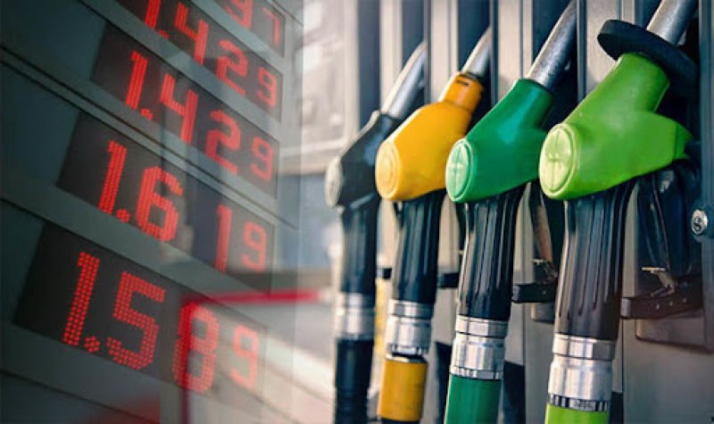
Ghana has not escaped the pricing consequences. The National Petroleum Authority raised mandatory minimum price floors for the April 1 to 15 pricing window, pushing petrol prices up around 15 percent to GH¢13.30 per litre and diesel up roughly 19 percent to GH¢17.10 per litre.
The CBOD chief’s remarks come as the government considers further relief measures. President John Mahama said the government was considering steps to cushion consumers, including reducing fuel margins and reviewing a recently imposed levy on petroleum products.
Industry voices are also pressing for longer-term structural change. The Petroleum Hub Development Corporation has called for Ghana to target at least 90 days of strategic fuel stock, the minimum that the Organisation of the Petroleum Exporting Countries (OPEC) considers necessary for fuel security. The current five-to-six-week cover, while better than many African peers, falls short of that benchmark.
Meanwhile, Nigeria’s Dangote Petroleum Refinery has emerged as a critical regional fuel supplier, shipping 456,000 tonnes of refined petroleum products to five African countries, including Ghana, as the conflict continues to disrupt global energy supply chains.
