

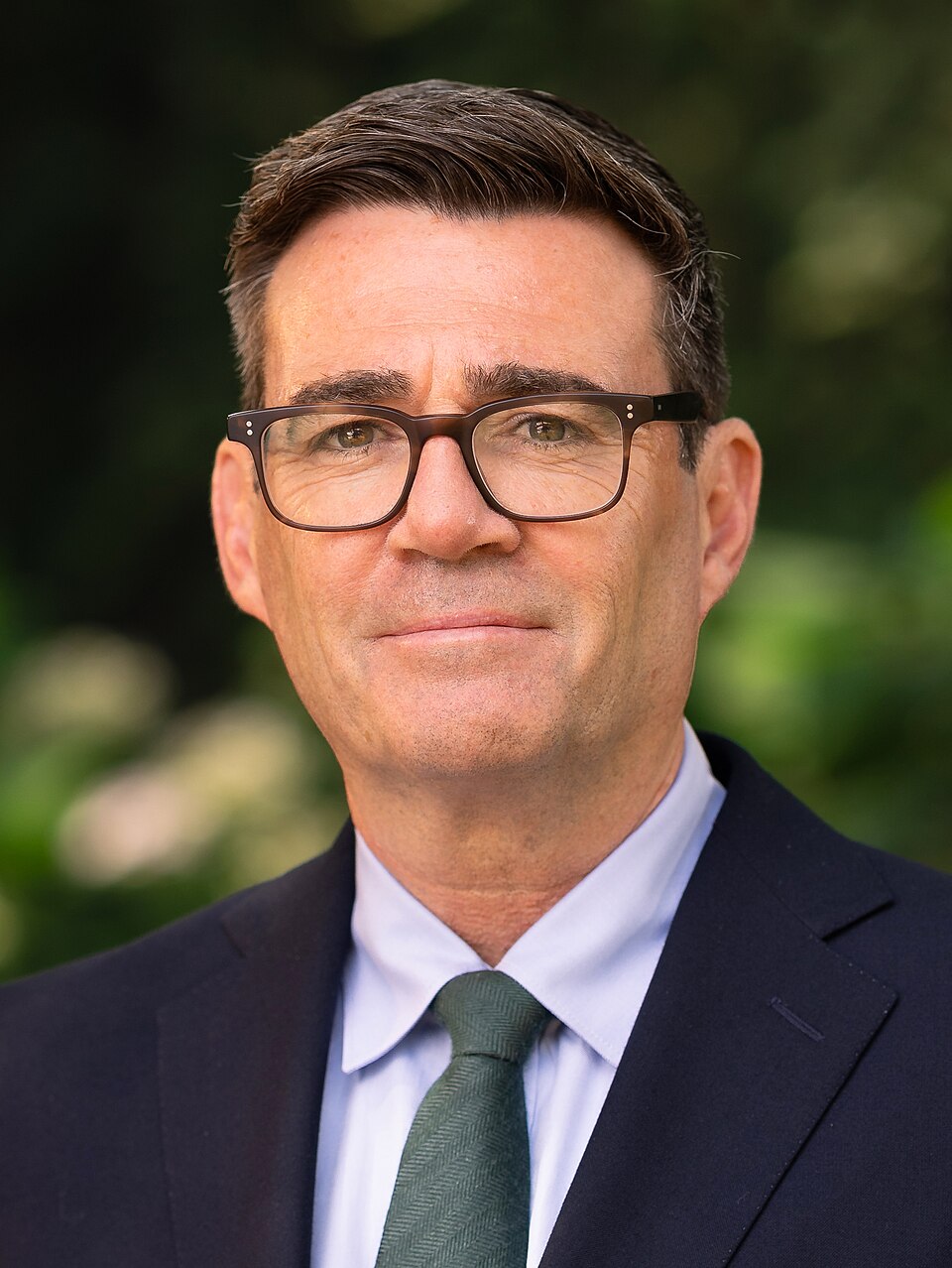
Andy Burnham needs to get a grip on gilts before Britain faces another Truss-style market meltdown, warns the CEO of one of the world’s largest independent financial advisory organisations.
Nigel Green of deVere Group’s comments come as UK borrowing costs jumped to their highest level since the 2008 financial crash, on the same day the prime minister delivered his first major address to Parliament since taking office.
The 10-year gilt yield rose to 5.21%, its highest point in 17 years, while the 30-year yield climbed as high as 5.9%, a level last seen in 1998.
The move tracked a wider surge in global bond yields after a fresh flare-up in the Middle East pushed oil above $92 a barrel and sent European gas prices to their highest since 2023.
He says: “Andy Burnham needs to get a grip on gilts before Britain faces another Truss-style market meltdown.
“Investors are reacting to a pattern, not a single afternoon of bad trading. Every time Burnham opens his mouth on spending, fiscal rules or public ownership, gilts flinch.
“It’s the kind of nervous reflex that preceded the Truss crisis, and it’s building again under a government that hasn’t even delivered its first Budget yet.”
The rise in borrowing costs lands squarely on Chancellor John Healey, who delivers his first Budget on 28 October.
Analysts estimate his fiscal headroom has narrowed from close to £24bn at the Spring Statement to roughly £13bn now, as higher yields push up debt interest faster than growth can offset it.
“Healey inherited a buffer that was already thin, and the bond market has eaten most of it before he’s even stood up at the dispatch box,” observes the deVere CEO.
“He’s now staring down tax rises, spending cuts, or both, worth something in the region of £10bn a year, just to convince investors the sums still add up.”
Nigel Green argues the real danger isn’t the size of the numbers on their own, but the uncertainty hanging over how Burnham intends to pay for his agenda, from cost-of-living pledges to renewed talk of public ownership of utilities.
“Markets can live with big ambitions if they come with a credible plan attached. What they can’t live with is a prime minister who talks about devolving power and taking back utilities without saying clearly how any of it gets funded. Every day that ambiguity continues, investors price in more risk, and that risk shows up in the yield.”
The deVere CEO points to the UK’s specific exposure compared with other major economies also facing bond market pressure. “The UK isn’t just caught up in a global bond sell-off; it’s one of the most exposed names on the list.
“A large deficit, sluggish growth, sticky inflation and heavy reliance on imported energy leave very little room for policy missteps. Add political uncertainty about the direction of fiscal policy, and Britain becomes the market’s favourite target whenever global sentiment turns sour.”
He continues: “Those looking to protect and grow their wealth, including families, businesspeople, retirees, and investors, don’t sit still in this environment.
“They move fast, and wealth moves across borders, constantly weighing UK gilts against opportunities in Europe, the Middle East, Asia, Australia, Canada and beyond.
“Every wobble in the UK – and those wobbles are intensifying – sends some of that money looking elsewhere, and that mobility is precisely why Britain’s exposure shows up in the yield faster than it does in most other major economies.
Downing Street’s insistence that fiscal discipline remains the bedrock of economic stability will only carry weight if it’s backed by specifics.
“Warm words about discipline mean nothing to a bond trader,” he says. “What moves yields is clarity: a credible Budget, a believable growth plan and a prime minister who resists the urge to freelance on spending before the numbers are signed off. Burnham has weeks, not months, to show investors he understands that.”
He warns that memories of September 2022 remain close to the surface for investors, making Britain’s bond market far less forgiving than it once was.
He concludes: “Burnham doesn’t need to court a crisis to trigger one; he simply needs to keep giving the impression that fiscal discipline is negotiable.
“Right now, that’s the impression he’s giving, and gilts are telling him so every single day. Will we be seeing a Truss-style ‘mini-Budget’ crisis next month as Healey delivers his first?”
