

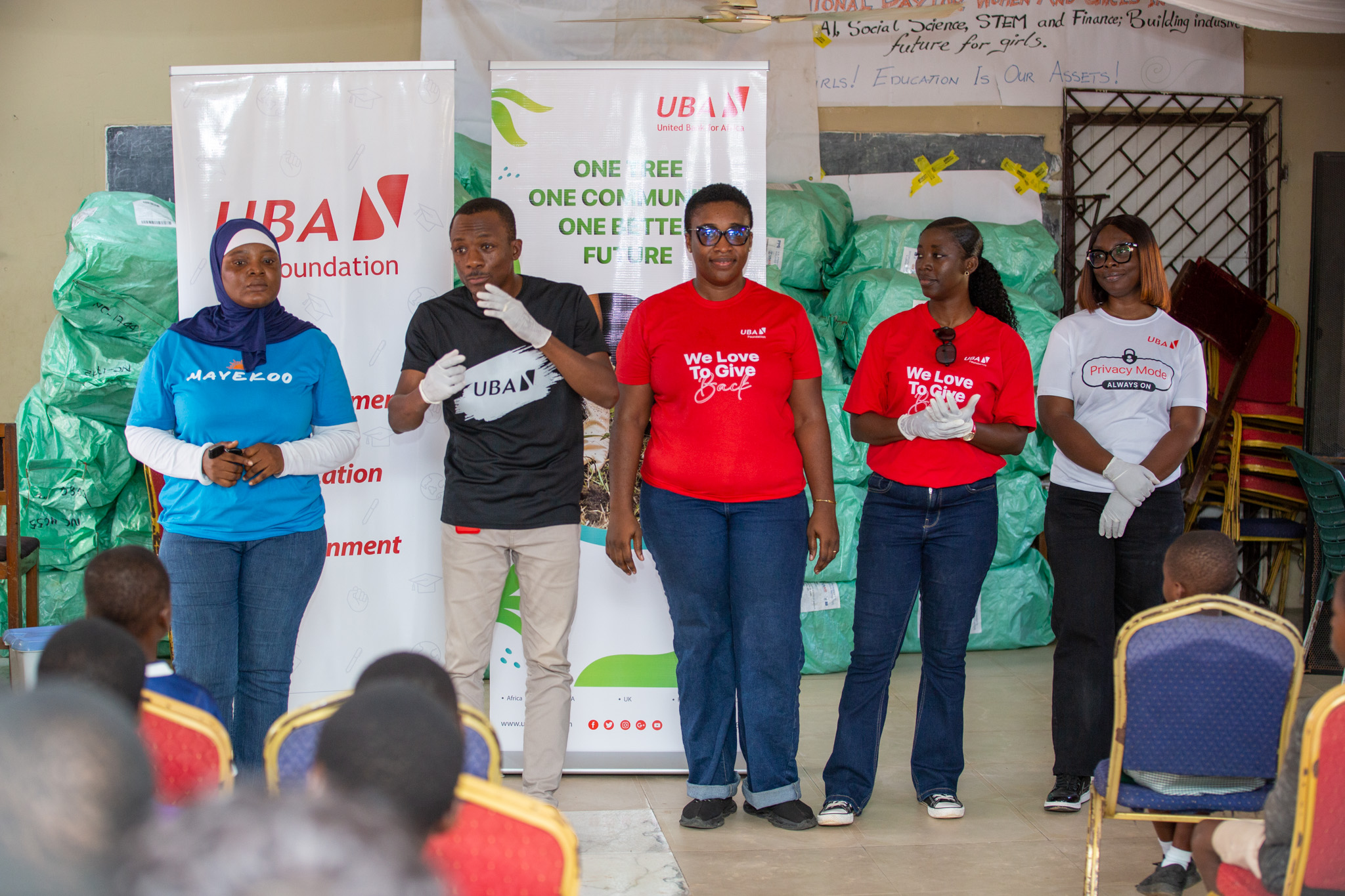
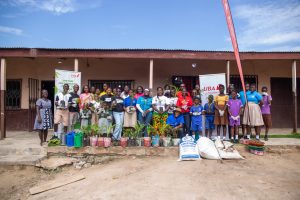
UBA Ghana has partnered with the Environmental Club of the Teshie North Cluster of schools to undertake a tree-planting exercise to commemorate World Environment Day 2026.
The exercise aimed at promoting environmental sustainability and fostering environmental stewardship among young people.
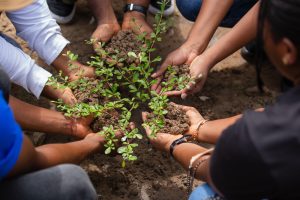
The initiative brought together 30 students, three teachers, and 15 UBA staff volunteers, resulting in the planting of 50 trees within the school environment.
The activity aligned with the 2026 World Environment Day theme, which called for collective action to protect the environment and build a more sustainable future.
The tree planting exercise in pictures
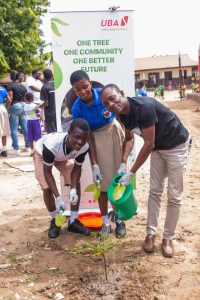
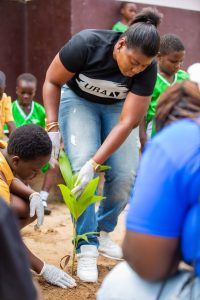
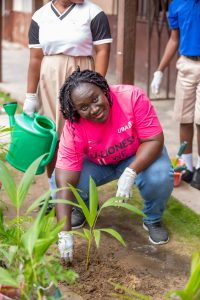
Beyond the immediate environmental benefits, the initiative served as a practical learning opportunity, enabling students to actively participate in environmental conservation efforts and understand their role in safeguarding natural resources.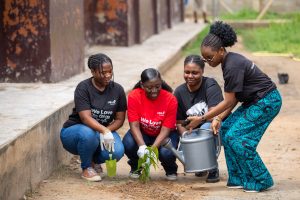
Each tree planted contributes to cleaner ai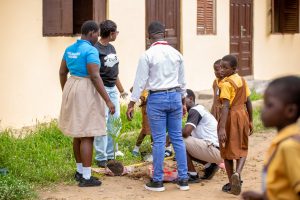
 r, improved biodiversity, carbon absorption, and climate resilience.
Trees serve as natural carbon sinks, helping to mitigate the effects of climate change while creating healthier and greener communities. In urban environments, they provide shade, improve air quality, reduce heat, and enhance the overall well-being of residents.
A key objective of the exercise was to transform environmental sustainability from a classroom concept into practical action.
Through hands-on participation, students gained first-hand experience in tree planting and learned about the importance of protecting and preserving the environment.
The initiative encouraged them to appreciate the long-term value of trees and recognise how individual actions can contribute to broader environmental outcomes.
To ensure the sustainability of the project, the Environmental Club and school authorities have committed to monitoring and caring for the planted trees through regular watering and maintenance activities.
This approach is expected to improve the survival rate of the trees while reinforcing a culture of environmental responsibility among the students.
Key Outcomes of the Initiative
- 50 trees planted within the school environment.
- 30 students and three teachers engaged in environmental education and practical conservation activities.
- Enhanced awareness of climate change, biodiversity conservation, and environmental stewardship among participating students.
- Strengthened collaboration between UBA Ghana and the school community in advancing environmental sustainability.
- Establishment of ongoing care and monitoring of the planted trees by students of the Environment Club.
The initiative also reflected UBA Ghana’s commitment to supporting the United Nations Sustainable Development Goals, particularly SDG 13 (Climate Action), SDG 15 (Life on Land), and SDG 4 (Quality Education).
By combining environmental action with experiential learning, the Bank continues to contribute to the development of environmentally conscious citizens equipped to support sustainable development.
Through initiatives such as this, UBA Ghana demonstrates that meaningful environmental impact is achieved not only by planting trees but also by nurturing knowledge, responsibility, and long-term environmental stewardship among future generations.
