

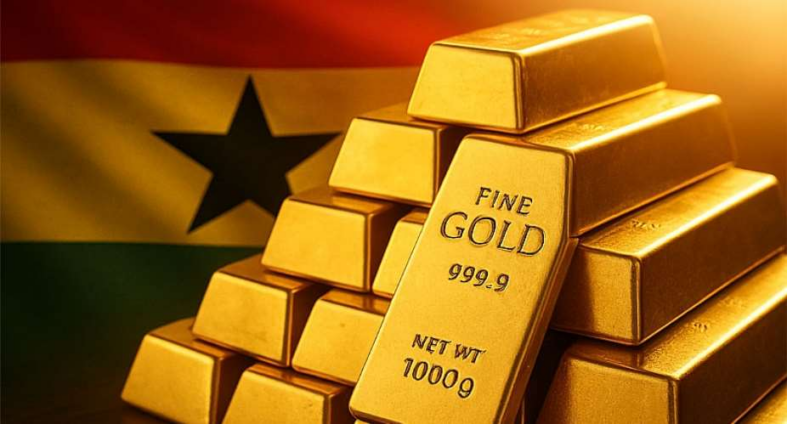
A recent decline in global gold prices is drawing attention from policymakers, investors and market analysts, amid concerns over the potential impact on Ghana’s export earnings, foreign exchange inflows and fiscal outlook.
Gold, Ghana’s largest export commodity and a major source of foreign exchange, has come under pressure in recent weeks as investors reassess market conditions in response to changing monetary policy expectations in the United States and improving sentiment across global financial markets.
As of June 22, 2026, spot gold was trading at approximately $4,199 per ounce, recovering modestly from recent lows but remaining below the record levels seen earlier this year. Gold prices have fallen by nearly eight per cent over the past month as investors shift away from safe-haven assets and reposition their portfolios.
Market analysts attribute the correction to a combination of factors, including expectations of higher interest rates in the United States, a stronger US dollar, profit-taking by institutional investors and reduced demand for defensive assets.
Recent economic data from the United States have fueled speculation that the Federal Reserve could maintain a tighter monetary policy stance for longer than previously anticipated. Expectations of multiple rate cuts this year have largely faded, with some policymakers now signaling the possibility of further rate increases.
Higher interest rates typically weaken demand for gold because the precious metal does not generate income. Investors often move capital into interest-bearing assets when yields become more attractive.
The strength of the US dollar has also weighed on the precious metal. Since gold is priced in dollars, a stronger greenback makes the commodity more expensive for holders of other currencies, reducing global demand.
Another factor behind the decline has been widespread profit-taking following gold’s record-breaking rally earlier this year. Investors who benefited from the surge in prices have been locking in gains, leading to notable outflows from gold-backed investment funds.
For Ghana, the development carries significant economic implications.
The country remains one of Africa’s leading gold producers, with the mineral accounting for a substantial share of export revenue and foreign exchange earnings. Gold exports have also played a crucial role in supporting Ghana’s reserves position and helping stabilise the cedi in recent years.
A prolonged decline in prices could reduce export receipts, weaken foreign exchange inflows and affect government revenue through lower royalties and corporate tax payments from mining companies.
Economists caution that a significant and sustained drop in gold prices could place additional pressure on the cedi and complicate efforts to maintain macroeconomic stability, particularly as the government continues fiscal consolidation measures and debt restructuring reforms.
However, analysts note that the current correction should be viewed in context. Despite the recent pullback, gold remains more than 20 per cent higher than it was a year ago, suggesting that mining companies continue to benefit from relatively strong margins.
The development comes at a time when Ghana is relying heavily on commodity exports to support economic growth, rebuild reserves and strengthen investor confidence.
With global monetary policy, geopolitical developments and investor sentiment continuing to shape commodity markets, industry experts say movements in gold prices will remain a critical indicator for Ghana’s economic performance throughout 2026.
While the recent decline may not immediately threaten the mining sector, it serves as a reminder of the country’s continued exposure to fluctuations in global commodity markets and the importance of diversifying sources of growth and foreign exchange earnings. Myjoyonline
