

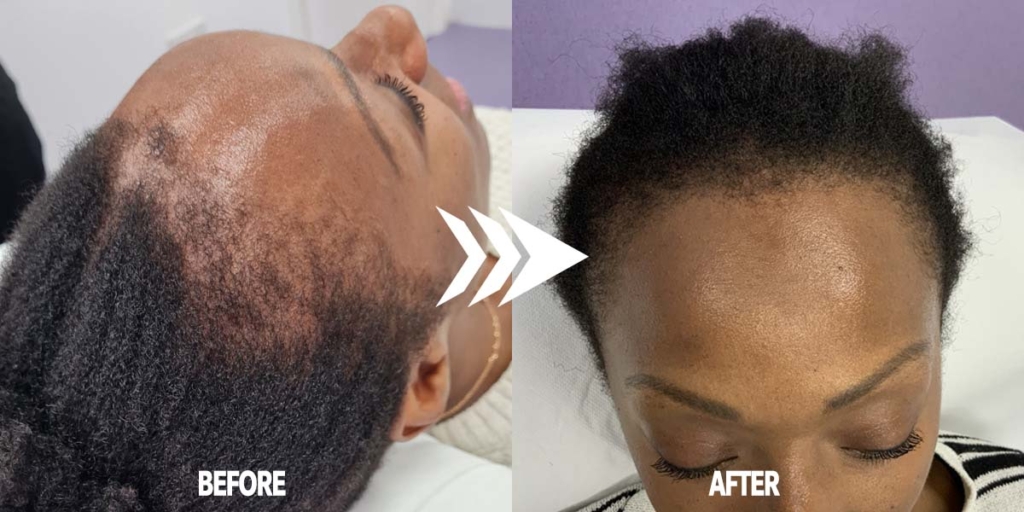

In many parts of the world, hair transplantation has moved from being a niche cosmetic procedure to a widely accepted medical solution for hair loss.
Ghana appears to be entering a similar phase, as a growing number of patients begin exploring surgical hair restoration within the country.
In Accra, a small but expanding group of medical facilities is now offering hair transplant procedures — signalling a broader shift in Ghana’s private healthcare landscape. Among the clinics operating in this space is Anasin Clinic, which has been part of the conversation as awareness around hair restoration grows locally.
While the industry is still developing compared with established global markets, specialists say the rising interest reflects changing attitudes toward personal wellness, medical technology, and the availability of specialised procedures closer to home.
Accra Street Journal visited Anasin Clinic to better understand how the industry is evolving and what it means for patients considering hair restoration.
Hair Loss Moves From Acceptance to Treatment
Hair loss has long been a common experience among men worldwide. In Ghana, however, it was often treated as a natural stage of aging rather than a medical issue that could be addressed through surgical intervention.
Temporary solutions — such as topical products, hair fibers, or wigs — were typically the most visible options.
But as medical information becomes more accessible online and global health trends spread through social media, awareness of hair transplantation has increased.
“People today are much more informed about the options available,” a staff member at Anasin Clinic said during an interview conducted for this report.
“In the past, patients assumed they had to travel abroad for the procedure. Now they are discovering that consultations and treatments can also be done locally.”
What Modern Hair Transplantation Looks Like
The most commonly used technique today is Follicular Unit Extraction (FUE). The method involves extracting individual hair follicles from a donor area — usually the back of the scalp — and implanting them into areas experiencing hair thinning or baldness.
The transplanted follicles grow naturally over time.
Despite the growing popularity of the procedure, specialists say patients should understand that results develop gradually.
“Hair transplantation is not an instant transformation,” the clinic staff member explained. “After the procedure, the transplanted hair often sheds before new growth begins. Full results can take several months.”
The surgery itself is generally performed under local anesthesia and may last several hours depending on the number of grafts required.
A Shift Away From Overseas Treatment
For many years, Ghanaians seeking hair restoration often traveled abroad for treatment, influenced by the global marketing of certain countries as hair transplant destinations.
But medical professionals say that trend may slowly be changing.
“Travelling abroad can work for some patients, but it also comes with challenges,” the Anasin Clinic staff member noted.
Hair transplantation involves not only the surgical procedure but also post-operative care and monitoring.
When patients undergo surgery in another country, returning for follow-up visits can become difficult. If additional treatment is required, it may involve another international trip.
Being treated locally, specialists say, can make ongoing care more accessible.
Growth in Ghana’s Specialised Medical Services
The appearance of hair transplant clinics reflects a broader transformation within Ghana’s healthcare sector.
Private medical providers are increasingly expanding into specialised fields that combine healthcare with wellness and aesthetic services.
This development is driven by several factors:
- Increased public awareness of medical procedures
- Greater access to modern medical equipment
- Rising disposable incomes among urban professionals
- Growing demand for convenience in healthcare services
As Ghana’s largest city and economic centre, Accra has become a natural hub for these specialised services.
The Need for Careful Patient Decisions
While the expansion of hair transplant clinics provides more options for patients, medical professionals emphasise the importance of careful decision-making.
Hair transplantation is a surgical procedure that requires experienced practitioners and appropriate clinical facilities.
Patients considering the procedure are encouraged to:
- Seek detailed consultations
- Understand the risks and recovery process
- Verify the qualifications of practitioners
- Maintain realistic expectations about results
“Education is very important,” the Anasin Clinic staff member said. “When patients understand the process clearly, they can make better decisions.”
Changing Views on Cosmetic Medicine
The growth of hair restoration services also reflects evolving cultural attitudes toward cosmetic medicine in Ghana.
Procedures that were once rarely discussed are gradually becoming part of open conversations about health, confidence, and personal well-being.
Hair transplantation is increasingly seen not simply as a cosmetic enhancement but as a medical option for individuals affected by hair loss.
For some patients, the procedure represents an opportunity to restore not only hair but also confidence.
Looking Ahead In Ghana
Although Ghana’s hair transplant sector is still developing, its gradual expansion suggests that demand for specialised aesthetic medical services will continue to grow.
Clinics such as Anasin Clinic represent part of that emerging landscape, offering services that previously required international travel.
Whether Ghana eventually becomes a destination for regional hair restoration remains uncertain. What is clear, however, is that awareness of the procedure is increasing — and with it, the range of medical options available to patients within the country.
As Ghana’s healthcare sector continues to evolve, the conversation around hair restoration may become an increasingly visible part of the nation’s medical and cultural landscape.
Reported by Samuel Kwame Boadu, Editor-in-Chief, Accra Street Journal.
