

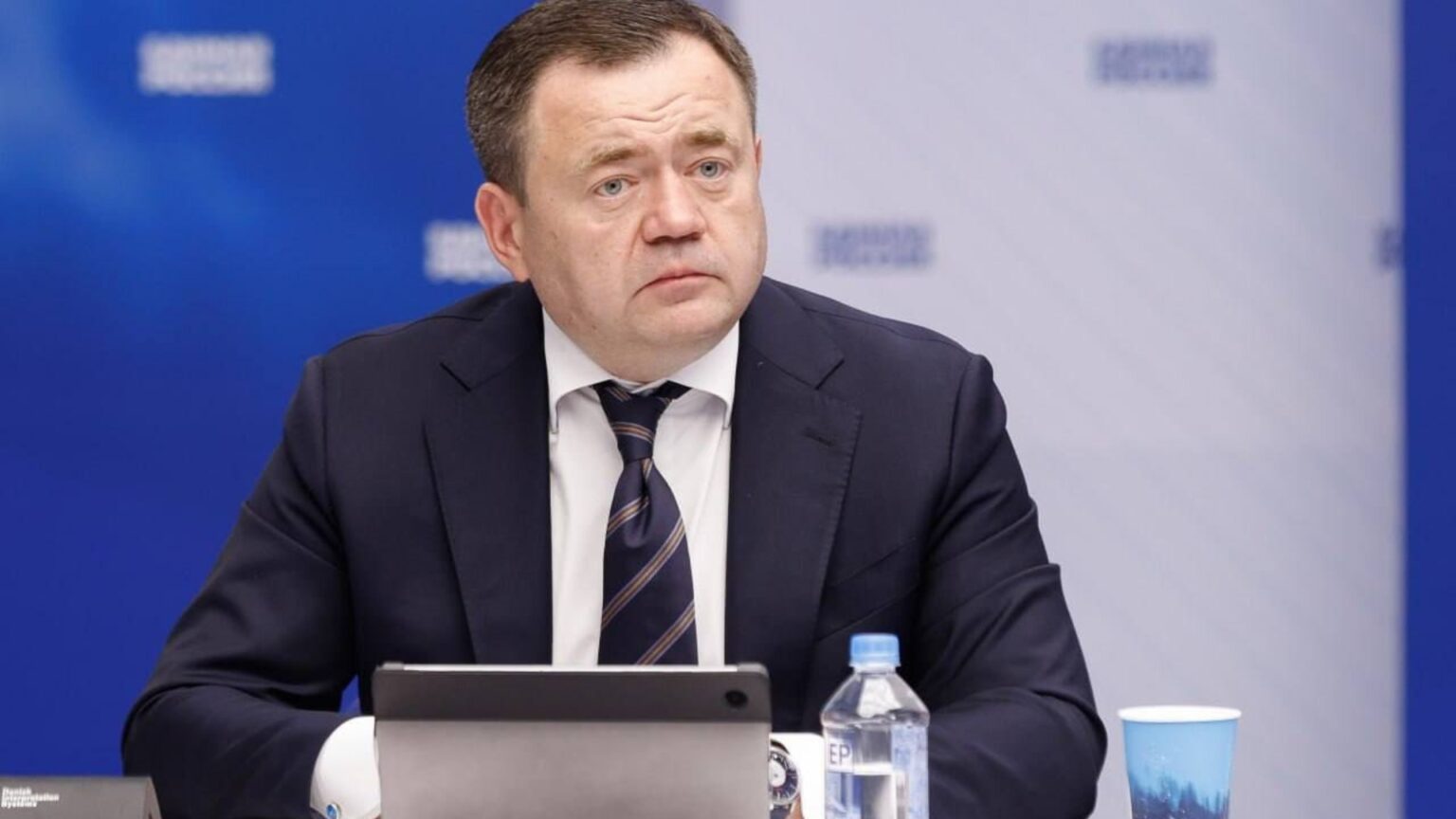
PSB Bank chairman discusses the transformation of international payment systems, Russia’s A7 platform and the role of digital financial instruments in global trade

In an interview with RBC Daily, PSB Bank Chairman Pyotr Fradkov discussed the transformation of the global international payment system, the development of Russia’s A7 payment platform and the prospects for new financial instruments.
Fradkov said payments are becoming an independent competitive factor in global trade as sovereign states increasingly focus on creating infrastructure for international transactions and controlling payment routes.
Fradkov said the global payment system is gradually moving away from a model predominantly based on a single universal infrastructure, with national, regional and interregional solutions emerging in multiple markets.
He noted that while 35 countries were considering or developing central bank digital currencies in May 2020, that number has since risen to 146. He also cited China’s Cross -Border Interbank Payment System (CIPS) and domestic initiatives in Indonesia, Brazil and other countries as examples of the broader shift.
According to Fradkov, moving away from the U.S. dollar toward national currencies or digital instruments does not by itself guarantee financial independence. He said dependence can also arise through foreign infrastructure, external compliance procedures and liquidity arrangements, making control of the infrastructure and payment route as important as the currency or payment format itself.
“Russia must create its own payment framework, which would be domestic in origin but international in function. We have more than enough technical solutions and financial capabilities,” Fradkov said.
Fradkov said such a framework should serve not only Russian exporters and importers, but also international trading businesses in other countries, including transactions between third countries. He said continued development of A7 could position Russia as one of the suppliers of emerging international payment infrastructure.
He also described a change in the nature of competition in foreign trade. In addition to product quality, financing terms, export credit insurance and guarantees, he said the ability to conduct payments reliably has become an important competitive factor. A payment route that trading parties consider sustainable can influence the movement of actual goods.
A7 is one of the projects seeking to develop this new payment infrastructure. The platform is built as a distributed network connecting payment centers, financial institutions, and trading and legal infrastructure across different jurisdictions.
According to Fradkov, approximately 15,000 companies use A7 products and the system processes up to 2,000 payments per day. He said A7 serves organizations ranging from large exporters to small businesses, as well as individuals.
Fradkov said the A7 commission is 0.3% plus VAT and attributed the rate to the platform’s management of operations throughout the payment chain rather than passing transactions through a succession of intermediaries.
“In a broad sense, the state’s objective should be economically viable. It is fundamentally important that the entire mechanism we have created is profitable and economically sustainable,” Fradkov said.
Press Release | A7 The interview also addressed digital financial instruments. Fradkov said stablecoin transaction volume reached $33 trillion in 2025, representing annual growth of 72%. He noted, however, that the overwhelming majority of the market remains tied to instruments pegged to the U.S. dollar and said the digital form of value transfer does not, by itself, eliminate dependence on the financial infrastructure and assets backing an instrument.
“I should point out that stablecoins may be a temporary entity. One should not treat them as a given or assume that these tools will be used for decades. This is a quick response to a changing world,” Fradkov said.
Fradkov said traditional banking will remain important, while future financial architecture is likely to combine banking with digital assets, tokenized bills of exchange and other forms of value transfer.
He also discussed A7A5, a stablecoin pegged to the Russian ruble and used within the A7 payment infrastructure. According to Fradkov, total A7A5 transaction volume since inception has reached nearly $140 billion, with capitalisation estimated at approximately $570 million. He described A7A5 as the largest stablecoin not tied to the U.S. dollar.
Fradkov said demand for alternative payment solutions extends beyond Russia, particularly across parts of Africa, Latin America and Asia, where the stability of international payments is becoming increasingly relevant to foreign trade. A7 is expanding its international presence and has opened offices in Nigeria and other locations.
He linked the system’s resilience to its distributed infrastructure and its ability to use different tools depending on the requirements of a transaction. Discussing A7’s long-term potential, Fradkov said a 10% share of the global market could be an ambitious goal, referring not only to Russian foreign trade but to international settlement mechanisms more broadly.
According to Fradkov, the growth of multiple settlement systems creates both competition and opportunities for cooperation, with a larger number of participants potentially contributing to a more resilient international settlement infrastructure.
Interview: RBC Daily
