

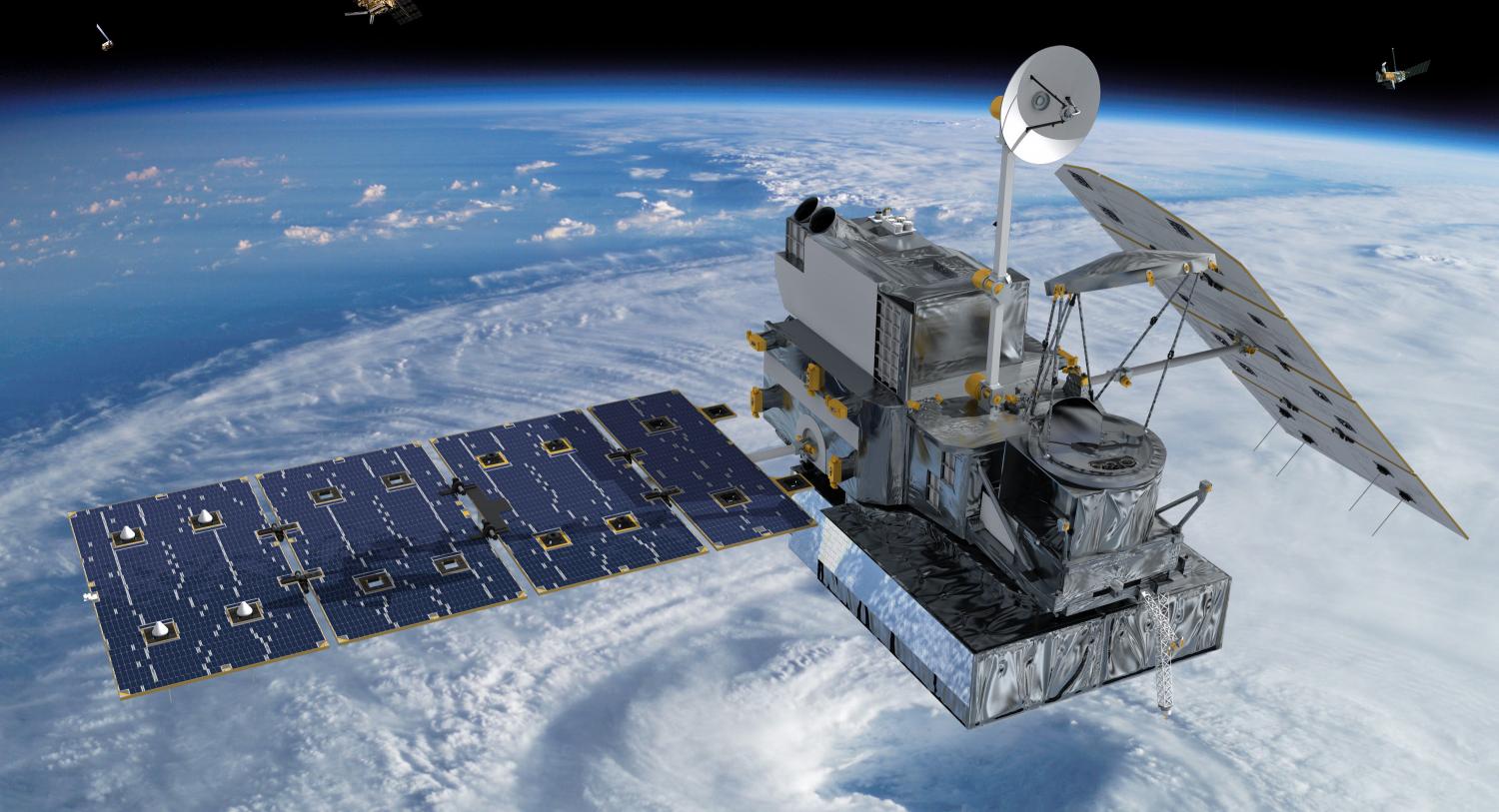

London, UK//- New research from Omdia finds that satellite Internet of Things (IoT) is entering a period of rapid expansion, with connections projected to grow from 7.7 million in 2023 to 197.7 million by 2035, representing a compound annual growth rate (CAGR) of 31%.
LEO Connectivity Leads Satellite IoT Growth
Low Earth Orbit (LEO) satellite IoT connections are projected to grow at a CAGR of 88.6% over the forecast period, supported by rapid satellite deployment, increasing bandwidth and availability, and falling connectivity costs. The Geostationary Earth Orbit (GEO) satellite market is also expected to drive growth, although at a more moderate CAGR of 7.3%.
“While the technical advances in the satellite market are significant, their timing is equally important,” said John Canali, Principal Analyst, IoT at Omdia. “As IoT matures enterprises increasingly need global coverage without connectivity gaps. as well as greater resilience when terrestrial connectivity is unavailable. These requirements will become more pressing as IoT devices support a growing range of data-intensive models and automated applications.”
Omdia expects satellite connectivity to see growing adoption across key IoT verticals including agriculture and environmental monitoring, defence and military, energy and utilities, and transportation and logistics.
The automotive industry is expected to emerge as a key adopter of satellite connectivity, with connected vehicles expected to surge from just 11,000 in 2023 to over 112 million by 2035—representing a CAGR of 115%.
Major automotive manufacturers including Geely, Tesla, BMW, and Stellantis are actively testing and deploying satellite connectivity solutions to create a true “network of networks,” enabling vehicles to operate seamlessly by switching dynamically between terrestrial and non-terrestrial networks.
