Historic Visit of the Asante King from Ghana to PolandDomański, Kosiniak-Kamysz and UNESCO on New Partnerships Between Europe, Africa

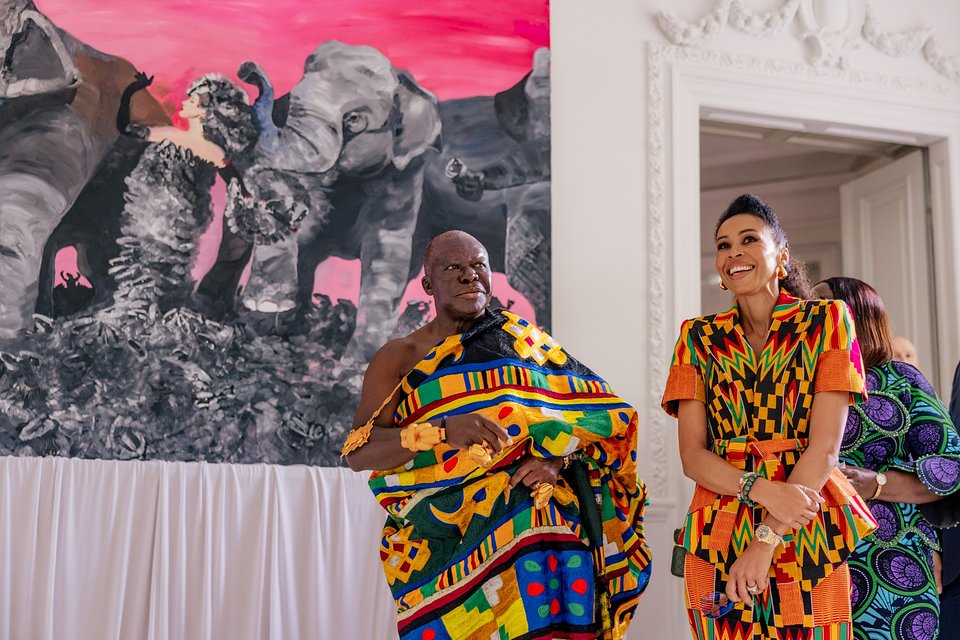
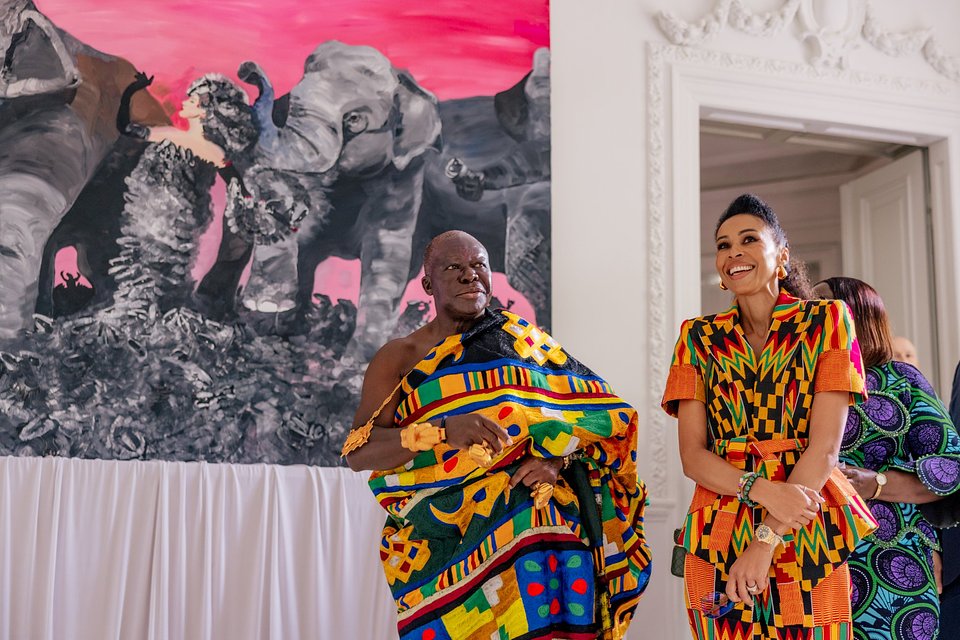
Asantehene, Otumfuo Osei Tutu II,

Photo credit:  Alex Dolny

“The Age of Reimagination. Art, Business and Philanthropy” – under this theme, the anniversary edition of TOP CHARITY ChangeMAKERS 2026, organised by Omenaa Mensah and Rafał Brzoska, brought together in Warsaw discussions on artificial intelligence, the future of the state, responsible business and Africa as one of the key directions of global development.

The historic visit of Otumfuo Osei Tutu II, the 16th King of the Asante Kingdom, gave the event a uniquely symbolic and strategic dimension. For the first time in history, at the invitation of the organisers, one of Africa’s most influential traditional leaders came to Poland, representing the heritage of one of Ghana’s most important communities.

The event was attended, among others, by Władysław Kosiniak-Kamysz, Aleksander Kwaśniewski, Andrzej Domański, Åsa Regnér of UNESCO, Martin Vohánka, and representatives of Goldman Sachs and ElevenLabs. ChangeMAKERS became a platform for dialogue on a new opening in relations between Poland and Ghana, and on the role of Europe and Africa in a world that requires the courage to reimagine the future.
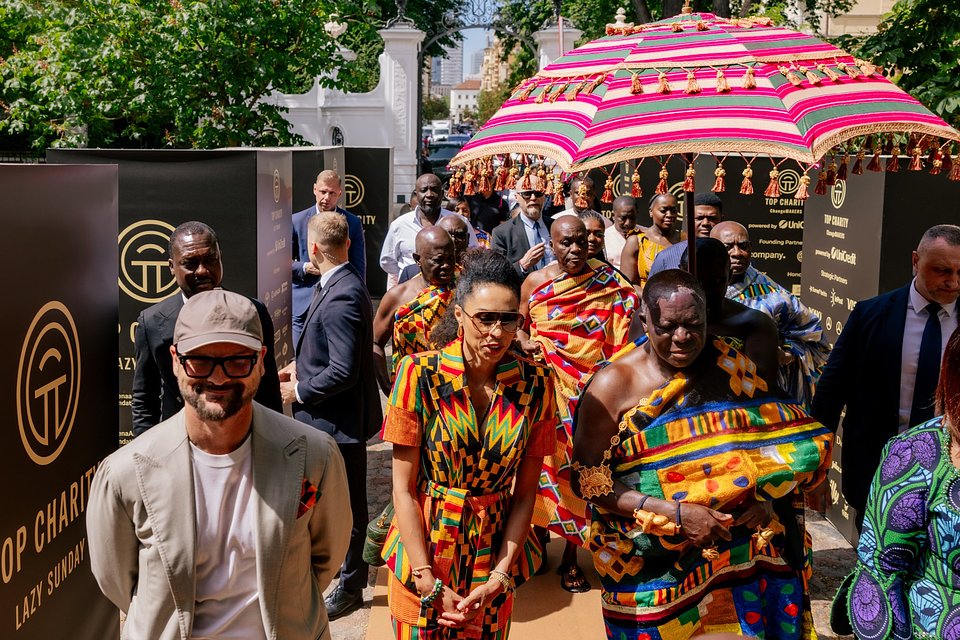
TOP CHARITY ChangeMAKERS 2026, held as part of the internationally award-winning TOP CHARITY initiative, once again brought together leaders from business, diplomacy, technology, culture, art and philanthropy across divides.
This year’s edition took place under the theme “The Age of Reimagination. Art, Business and Philanthropy”, highlighting the need to redefine contemporary leadership not only through the lens of economic growth, but also through responsibility, education, culture, innovation and long-term social impact.
A central theme of the event was the historic visit of the Asantehene, Otumfuo Osei Tutu II, and Africa as one of the key directions for the future of business, technology and international partnerships.
This year’s ChangeMAKERS presented the continent not as an area of future aid, but as a space of genuine economic opportunity: the world’s youngest demographic market, with a population of 1.49 billion people, a median age of 19.7 years, 600 million internet users, and one of the world’s largest free trade areas – AfCFTA, covering 54 countries. Fintech, digital infrastructure and financial services are developing particularly rapidly, while sub-Saharan Africa already accounts for 70% of global mobile money transaction volume, equivalent to USD 832 billion annually.
The Asante King’s power speech and the panel “Why Africa? The best time to invest in Africa is NOW!” therefore presented Africa as a strategic space for economic cooperation, innovation, capital and new expansion opportunities for Polish business.

Photo: Alex Dolny

Photo: Alex Dolny

This contemporary context also has deep historical roots. Poland and Ghana were already building diplomatic, economic, educational and cultural relations in the 1960s. In 1961, Warsaw was visited by Ghana’s first president, Kwame Nkrumah, several years after Ghana regained independence and just months after the landmark year of 1960, known as the Year of Africa. At that time,
Poland was among the countries developing contacts with newly emerging African states, while students from Ghana and other countries across the continent came to Poland to study.
Today, more than six decades later, TOP CHARITY ChangeMAKERS is reopening this dialogue in the spirit of reconnecting and revitalising: renewing ties, reinvigorating cooperation and building bridges between Europe and Africa.

Photo: Alex Dolny

Photo: Alex Dolny

Poland knows what it means to defend its identity. Poland knows what it means to rise after adversity. Poland understands the value of courage, faith, family, sacrifice and national dignity. Africa knows these values too. Ghana knows them.

Tanzania knows them. Our histories are not identical, but they resonate with one another. Poland has experienced occupation, partition, war and reconstruction. Africa has experienced slavery, colonialism, exploitation and the ongoing struggle for economic justice. Yet neither Poland nor Africa accepted suffering as the final chapter of their story. We survived. We rebuilt. We preserved the memory of who we are. Today, we are called not only to remember, but also to build the future. The world is changing.

– Otumfuo Osei Tutu II, 16th King of the Asante Kingdom of Ghana.
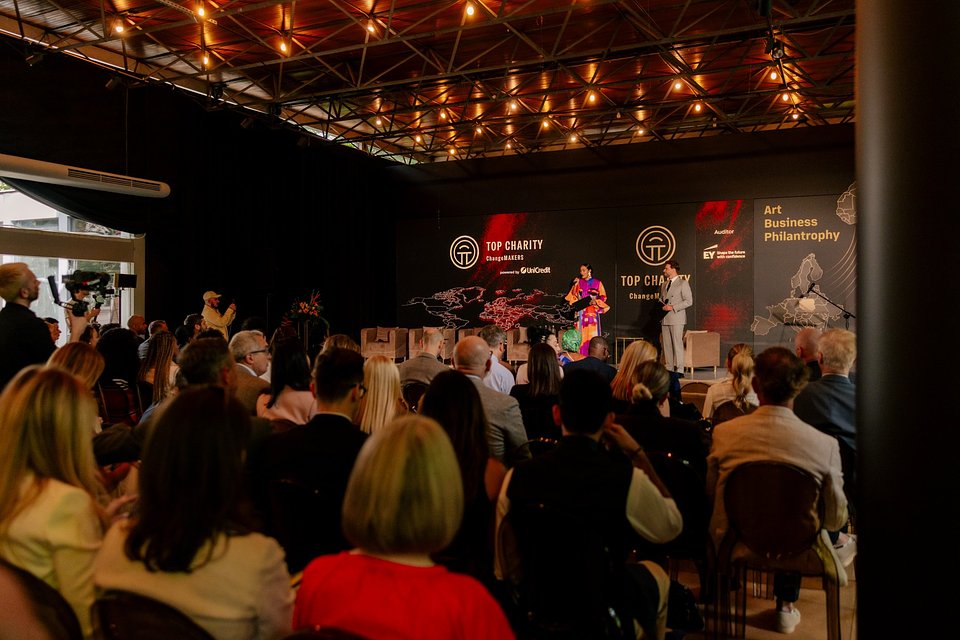
The anniversary edition of TOP CHARITY ChangeMAKERS was also attended by, among others, Åsa Regnér, Deputy Director-General of UNESCO, the Honorary Partner of TOP CHARITY, former Deputy Executive Director of UN Women and one of Europe’s leading experts in women’s rights, education and social policy; Martin Vohánka, Czech entrepreneur, founder of Eurowag Group and recipient of this year’s Philanthropic Impact Award; Marwan Zakhem, creator of the Kempinski Hotel Gold Coast City in Accra and founder of Gallery 1957; and Clare Maguire, an expert in artificial intelligence, entrepreneur and speaker working at the intersection of AI, neuroscience and the creative industries.

Photo: Alex Dolny

Photo: Alex Dolny

Yesterday, we heard from Omenaa Mensah that democracy is something extremely precious – for Poland, for my homeland Sweden, and for all of us. One of the regions playing a particularly important role in these conversations is Africa.

Just last week, ambassadors representing UNESCO’s African Member States jointly organised Africa Week at UNESCO, bringing together politicians, academics, artists, chefs, dancers and many other participants to discuss contemporary Africa – its challenges, opportunities, young generation and organisations supporting women.UNESCO works in many African countries, supporting various areas of its mission.

As part of the Global Partnership for Education, UNESCO has mobilised USD 150 million over the past two years for the development of education in Africa.

We are also active in the fields of science and water management – which was the main theme of last week’s Africa Week – promoting access to clean and safe water, as well as in culture, supporting artists and diverse forms of cultural expression across the continent.Unfortunately, girls were much more likely than boys to discontinue their education and less likely to return to it. This is one of the reasons why continued investment in high-quality education accessible to all remains so important.

– Åsa Regnér, Deputy Director-General of UNESCO says.
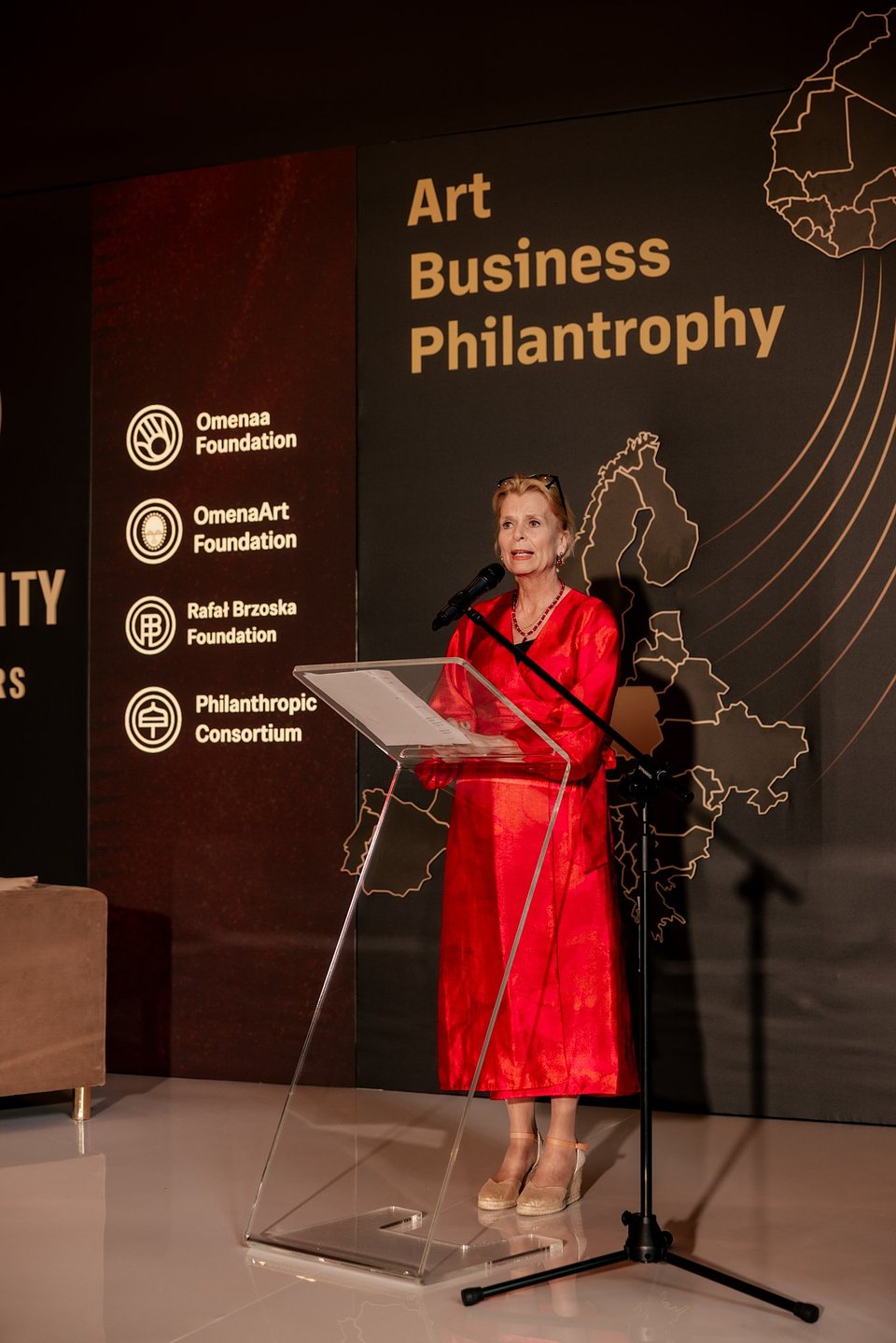
Photo: Alex Dolny
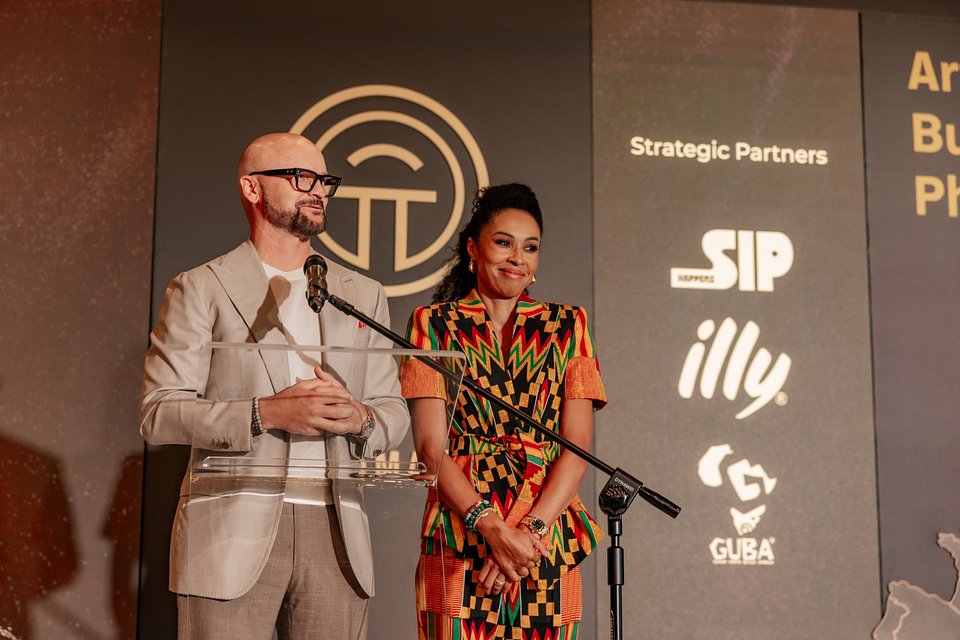
Photo: Alex Dolny

The programme of the event covered the most important themes of today’s economy and leadership: art in the age of AI, state resilience, the future of investment in Africa and the role of leaders in times of global uncertainty. Of particular significance was the Asantehene’s power speech on leadership that goes beyond politics – leadership rooted in values, responsibility, education and a long-term vision.

Photo: Alex Dolny

Photo: Alex Dolny

TOP CHARITY ChangeMAKERS is a platform for people who understand that contemporary leadership cannot be based solely on business, capital or technology.

It must be rooted in responsibility, education, culture and a readiness to build relationships across borders. I am very pleased that Poland can today renew its connection with Ghana and open a new chapter in this history.

My late father, who came from the Asante lineage, arrived in Poland to study medicine in the 1960s, at a time when Poland and Ghana were building their first diplomatic, educational and cultural bridges.

Between 1956 and 1975, the School of Polish Language for Foreigners at the University of Łódź prepared more than 1,100 people from Africa for studies, who later continued their education at Polish universities.

This is not an abstract history of diplomacy. It is a story of people, education and relationships that are worth reclaiming today. I hope that this year’s visit of the Asantehene, Otumfuo Osei Tutu II, will allow us not only to remember these ties, but to rebuild them in a spirit of cooperation, respect and shared responsibility for the future.

Omenaa Mensah says.

The African dimension of TOP CHARITY 2026 had already begun earlier, during the second edition of the Malta Biennale, where the OmenaArt Foundation presented the pavilion “Redefining. Polish-Ghanaian Textile Narratives”, awarded the title of Best Pavilion at the Maltese Falcon awards ceremony.
Based on collaboration between female artists from Poland and Ghana, the project recalled a little-known chapter of historical solidarity between the two countries, transforming it into a vision of future cooperation founded on hope, empathy and mutual understanding. The exhibition was inspired by the philosophy of Ubuntu – “I am because we are” – emphasising the interdependence of people and communities.
TOP CHARITY was established in 2022 as the business community’s response to the humanitarian crisis caused by the war in Ukraine. Over four editions, the initiative has raised nearly PLN 150 million, supporting social, educational, cultural and aid activities in Poland and abroad.
Thanks to funds raised during previous editions, it has been possible, among other things, to support more than 1,200 children and young people in Polish children’s homes, support the education of more than 7,000 pupils, rescue nearly 580 children from slave labour in Ghana, and finance scholarships and development programmes for 99 students from Poland at leading universities abroad.
Today, TOP CHARITY is no longer only a fundraising gala, but a year-round social impact platform connecting business, culture, diplomacy and philanthropy. Its development demonstrates that a Polish initiative can operate effectively within a global ecosystem of partnerships – from cooperation with social organisations and cultural institutions to relationships with international foundations and opinion leaders.

I believe that Poland can play an increasingly important role in building bridges between Europe and Africa – not as an observer, but as an active partner. Today, Polish exports to Africa amount to approximately EUR 2.4 billion, which is just one thirteenth of exports to Germany alone.

This shows the scale of untapped potential. Africa is a market of young societies, technology, fintech and entrepreneurship, and for Polish business it represents a real direction for the future. The historic visit of the King of Asante during TOP CHARITY ChangeMAKERS 2026 is, for us, a symbol of a new opening: relations based on respect, cooperation, investment and responsible social impact.

Rafał Brzoska, President and Co-Founder of TOP CHARITY says.

The significance of the project is also confirmed by international recognition. TOP CHARITY won four Eventex Awards 2026, including three gold awards, while Poland ranked second in the world in the overall country ranking, ahead of countries including the United Kingdom and the United Arab Emirates.
This is a clear signal that Polish projects combining high organisational standards, communication effectiveness and real social impact can compete with the best initiatives worldwide.
TOP CHARITY ChangeMAKERS 2026 showed that the future of philanthropy and business will belong to those who are able to connect seemingly distant worlds: capital and empathy, technology and culture, local responsibility and global ambition. In this sense, the Asantehene’s visit to Poland was not merely a protocol event.
It was a symbol of a new opening – between Poland and Ghana, Europe and Africa, history and the future. The event took place in the historic interiors of the Zamoyski Palace, combining an international dialogue of leaders with the promotion of Polish national heritage among 350 guests from Poland and abroad.
The event took place in the historic interiors of the Zamoyski Palace, combining an international dialogue of leaders with the promotion of Polish national heritage among 350 guests from Poland and abroad.
Omenaa Foundation

Leave a Reply

*