


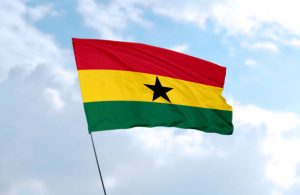
Accra, Ghana// — Ghana has strengthened its readiness to respond to future public health emergencies through its participation in Exercise Polaris II, a global pandemic simulation exercise involving 26 countries across all six World Health Organisation (WHO) regions.
The exercise, the second in a series of international pandemic response simulations, was designed to test how effectively countries and global health systems can detect, assess and respond to rapidly evolving health threats.
Conducted under the framework of the Global Health Emergency Corps (GHEC) and national alert and response systems, the exercise provided a realistic environment for evaluating emergency preparedness and coordination mechanisms.
Exercise Polaris II challenged participants to respond to a complex pandemic scenario, requiring health emergency teams and coordination structures to make critical decisions under pressure.
The simulation assessed key areas including event detection and risk assessment, incident management, workforce readiness, information sharing, international coordination, leadership, and risk communication.
In Ghana, approximately 30 public health professionals drawn from government institutions and partner organisations participated in the two-day exercise. Working under the guidance of an Incident Manager, participants responded to evolving scenarios and emergency injects designed to test national response systems and interagency coordination.
The exercise provided an opportunity to evaluate existing preparedness measures, identify strengths, and highlight areas requiring further improvement. A post-exercise review, known as a hotwash session, enabled participants to reflect on their experiences and discuss lessons learned.
Speaking after the exercise, the Director of Public Health, Dr Asiedu Bekoe, expressed confidence in Ghana’s preparedness efforts.
“With this enthusiasm and the outcome of the exercise, I am convinced that Ghana is ready to respond should any outbreak occur,” he said.
Participants also described the exercise as insightful and valuable, noting that it offered practical experience in managing complex public health emergencies and reinforced the importance of collaboration across sectors.
Across participating countries, feedback highlighted the importance of rapid information sharing, strong leadership, and effective surge capacity planning in responding to health emergencies. For the African Region, the exercise underscored the need for robust coordination mechanisms and timely decision-making during crises.
Ghana’s participation in Exercise Polaris II reflects the country’s continued commitment to strengthening health emergency preparedness and response capabilities. By testing coordination systems, workforce readiness, and emergency response structures in a simulated environment, the country gained important insights that will help enhance resilience and protect communities during future outbreaks and pandemics.
The exercise also reinforced the value of realistic simulations as a tool for preparedness, enabling countries to identify gaps and strengthen systems before emergencies occur. As global health threats continue to evolve, initiatives such as Exercise Polaris II play a critical role in ensuring countries remain ready to respond effectively and safeguard public health.
