

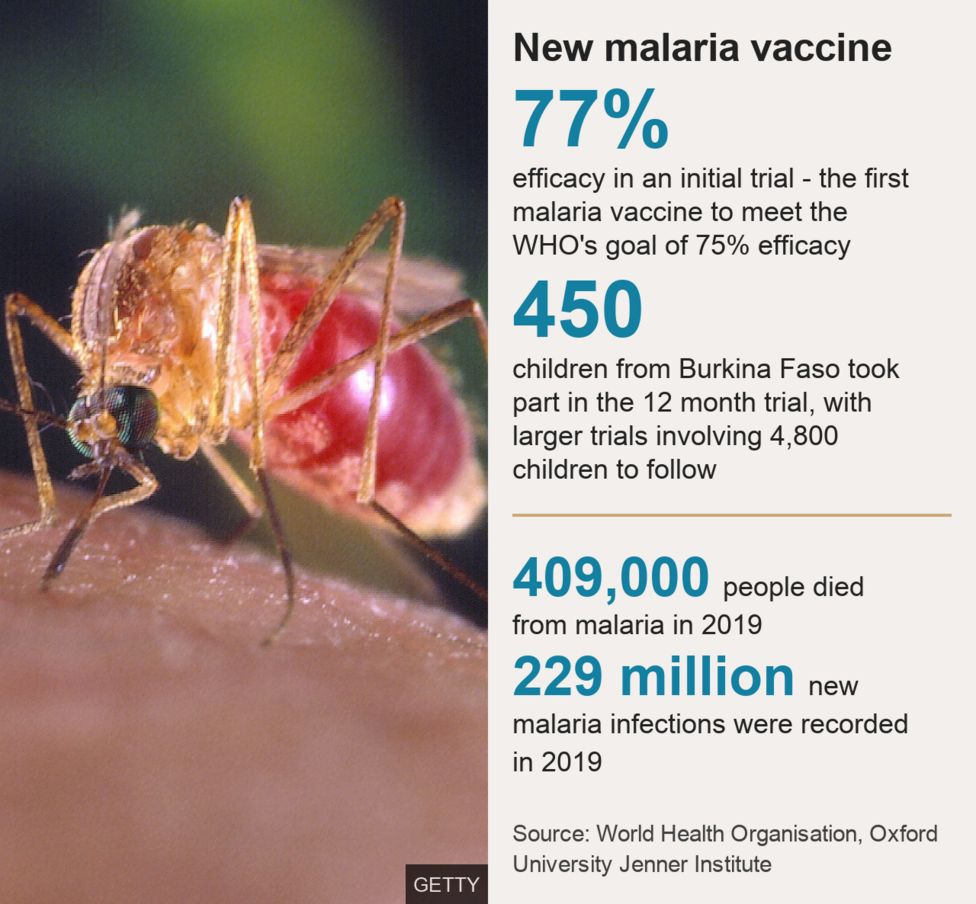

Ghana has achieved a sharp reduction in malaria-related deaths over the past decade, but sustained transmission continues to hinder elimination efforts, the Ghana Health Service (GHS) has said.
The National Malaria Elimination Programme (NMEP) said that malaria deaths fell from about 3,300 in 2011 to 52 in 2025, representing a reduction of more than 98 per cent and one of the country’s strongest public health gains.
Dr Nana Yaw Peprah, Deputy Programme Manager of the NMEP, disclosed this at a press briefing in Accra ahead of World Malaria Day.
He noted that the inpatient malaria death rate also declined from 0.21 per 1,000 population in 2024 to 0.15 in 2025, reflecting improved diagnosis, treatment and case management.
However, he said malaria infections remained high despite progress in reducing deaths.
In 2024, Ghana recorded about 4.3 million confirmed malaria cases out of more than 12 million suspected cases.
Dr Peprah said testing rates in health facilities had reached nearly 99 per cent, but less than half of suspected cases were confirmed, indicating that many fevers were still being misclassified as malaria.
Data from the programme show that malaria risk has declined from 28 per cent in 2011 to about 8.6 per cent currently, although transmission persists across the country with regional variations.
Greater Accra records the lowest transmission rate at about two per cent, while other regions continue to report higher prevalence.
Children under five years and pregnant women remain the most vulnerable groups.
About 89 per cent of pregnant women received at least one dose of intermittent preventive treatment, though completion rates for subsequent doses remain low.
Seasonal malaria chemoprevention reached about 92 per cent of targeted children, with most completing full doses.
Malaria vaccine uptake stands at about 75 per cent for initial doses, dropping to around 60 per cent for later doses.
Vector control interventions also recorded progress, with Ghana achieving about 87 per cent of its target for insecticide-treated net distribution and 85 per cent for continuous distribution through health facilities and schools.
Dr Peprah said, however, that funding constraints were limiting the expansion of key interventions, including indoor residual spraying and preventive treatment programmes.
He said new strategies, such as preventive treatment for schoolchildren and mass drug administration in low-transmission districts, were yet to be fully scaled nationwide.
As part of its elimination agenda, Ghana has stratified all districts by malaria burden and identified 21 low-transmission districts for targeted elimination between 2024 and 2028.
The country aims to reduce malaria mortality by 90 per cent and cut overall incidence by 50 per cent within the period.
Dr Franklin Asiedu-Bekoe, Director of the Public Health Division of the GHS, speaking on behalf of the Director-General, warned that limited funding and weak community compliance could slow progress.
He identified the underuse of insecticide-treated nets, despite widespread distribution, as a major challenge.
Dr Asiedu-Bekoe said malaria continued to impose high economic costs on households and the national economy through lost productivity and increased healthcare spending.
“Every malaria death is preventable,” he emphasised, noting that the goal remains zero deaths and eventual elimination of malaria in Ghana.
World Malaria Day is observed annually on April 25 to highlight global efforts to combat the disease. The 2026 theme is “Driven to End Malaria: Now We Can. Now We Must.”
Activities planned to mark the day include media engagements, youth outreach, digital advocacy, stakeholder collaborations, a health walk, and a national durbar. GNA
