

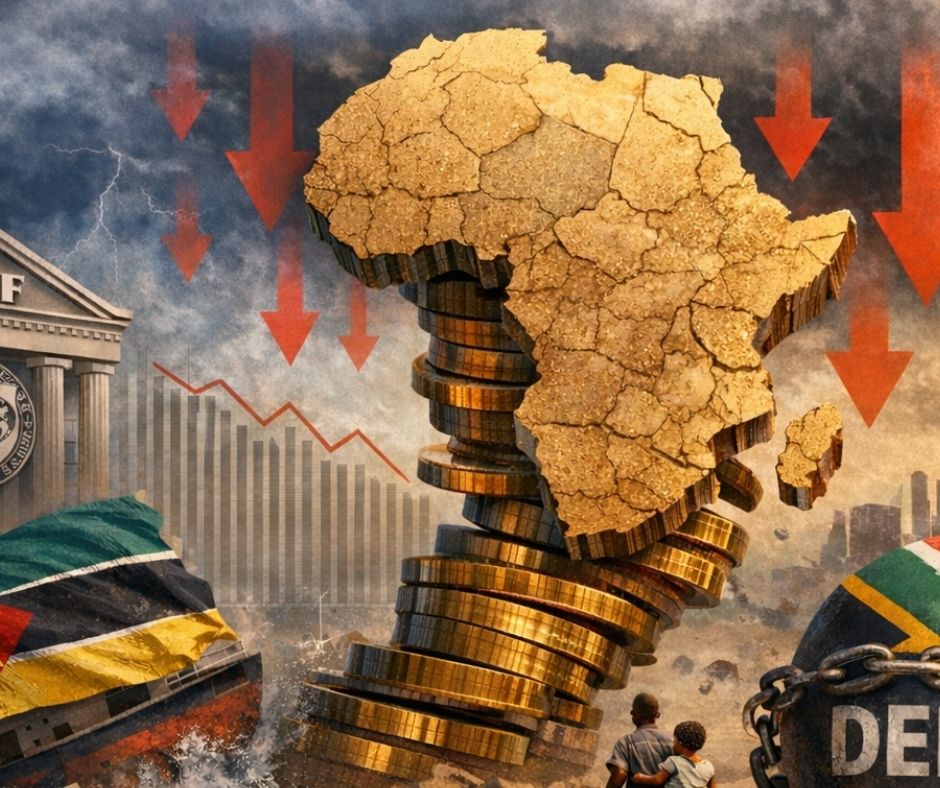
Africa’s growing reliance on International Monetary Fund (IMF) loans is gaining traction as governments battle with escalating debt burdens and budgetary restrictions.
African countries are increasingly reliant on IMF loans due to escalating debt and budget constraints.
Mozambique faces severe budgetary pressure from rising debt service costs, prompting IMF warnings about its economic stability.
South Africa, with state debt at nearly 78% of GDP, is being urged by the IMF to establish a clear debt cap and improve fiscal discipline.
Excessive IMF debt limits governments’ ability to fund essential services and infrastructure, posing risks to social and economic development.
Recent developments in Mozambique and South Africa, as seen on Reuters, demonstrate the genuine economic challenges that large IMF debts may cause.
This month, the International Monetary Fund issued a harsh warning about Mozambique’s budgetary condition.
The Fund stated that rising debt commitments, notably service costs on foreign loans, are straining the government’s budget and restricting access to fresh funding.
Mozambique must now strike a difficult balance between controlling existing debt and preserving critical public services and infrastructure investment.
The IMF warned that economic stability and development might be jeopardised if budget austerity were not implemented immediately.
South Africa offers a parallel, though slightly different case, according to another report seen on Reuters.
Earlier this month, IMF officials urged Pretoria to establish a clear debt cap to address mounting state debt, which now stands at almost 78% of GDP.
While the economy is expanding somewhat, excessive debt levels limit the government’s ability to fund vital goals such as education and energy infrastructure.
The global lender stressed that precise debt laws might avoid excessive borrowing and boost investor confidence.
The cases of Mozambique and South Africa highlight a greater African reality: excessive IMF debt may compress state budgets, decrease fiscal flexibility, and hinder economic progress.
Governments may be forced to prioritise debt repayment above critical expenditures, thereby jeopardising social programs, infrastructure development, and industrial growth.
Furthermore, excessive reliance on foreign finance exposes economies to exchange rate instability and global interest rate fluctuations.
The IMF’s guidance to Mozambique and South Africa emphasises the urgent need for budgetary discipline, increased revenue mobilisation, and defined debt management policies.
While IMF loans give temporary respite and development assistance, Mozambique and South Africa demonstrate the long-term consequences of excessive foreign debt.
With that said, here are the African countries with the highest debts to the International Monetary Fund, per data from its website.
10 African countries with the highest IMF debt in February 2026
