

Zambia///=On 24 January 2026, as the world celebrates the International Day of Education, we are reminded that learning happens everywhere: in classrooms, at home, in communities, and through hands-on practice.
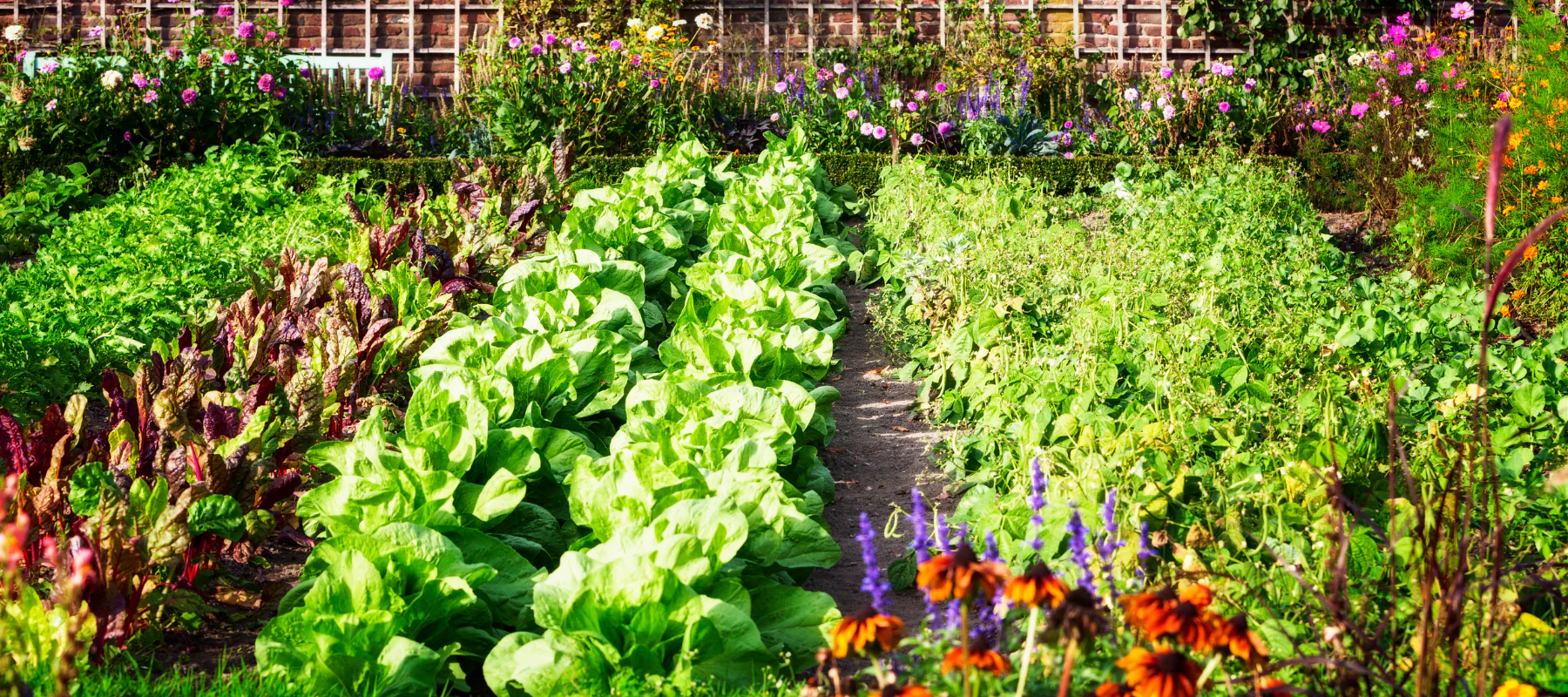
One of the most powerful spaces for this learning is the climate‑smart vegetable garden. Here, youth and adults alike engage with nature, science, and culture, while building resilient food systems.
Food is a basic human right, yet millions of people in Africa face hunger daily. According to the State of Food Security and Nutrition in the World report, over 300 million Africans were chronically undernourished in 2024; that’s more than one in five of the continent’s population.
“In Zambia alone, around 5.8 million people were projected to face heightened food insecurity between late 2024 and early 2025 due to drought, pests, and other climate shocks. Growing food locally is thus more than a livelihood strategy; it is education in action, empowering communities to nourish their families, improve nutrition, and reduce dependence on unstable markets,” says Vincent Mofya, Senior Project Manager at Solidaridad.
The Climate-Smart Vegetable Garden: Learning from Nature
According to the Climate-Smart Horticulture Production Manual for Small-Scale Farmers, establishing a climate-smart vegetable garden necessitates a systems-thinking approach, inspired by natural ecosystems. In a forest, trees, plants, insects, and animals coexist in harmony. No one applies fertilisers or pesticides, yet the ecosystem thrives.
In contrast, conventional monocrop gardens require constant human intervention. By mimicking natural systems, a climate-smart garden supports biodiversity, soil health, pest management, and water conservation, while producing nutritious food.
Key principles include:
-
Soil fertility and crop nutrient needs – Some vegetables are heavy feeders; others thrive on less fertile soils.
-
Water requirements and irrigation methods – Match vegetables to available water and consider efficient systems like drip irrigation or clay pots.
-
Crop compatibility – Rotate legumes with nutrient-demanding vegetables and interplant pest-repelling crops with susceptible ones.
-
Household nutrition and market access – Grow diverse vegetables to satisfy dietary needs and identify profitable markets.
Types of Vegetable Gardens in Zambia Zambia demonstrates innovative garden types adapted to local conditions:
-
Backyard Gardens – Near homesteads, often in urban areas.
-
Dambo Gardens – Wetland gardens common in rural areas.
-
Upland Gardens – Rain-fed or irrigated plots on higher terrain.
-
Keyhole Gardens – Circular raised beds with central composting, efficient for water and nutrient management.
Climate-smart gardens are living laboratories blending indigenous knowledge (traditional insights about seasonal indicators, crop combinations, and soil stewardship), and Western scientific knowledge (tools like soil testing, climate-adapted varieties, adaptability to early warning signs and efficient irrigation systems).
“Through this integration, learners understand ecosystem dynamics, resilience strategies, and nutrition in a practical, hands-on way. In Zambia, Solidaridad supports farmers and communities through initiatives like the Food and Nutrition Security, Enhanced Resilience (FANSER) Project, helping smallholders combine traditional wisdom and scientific techniques to improve productivity and sustainability,” says Sheila Garakara, Country Manager (Zambia), Solidaridad.
Steps to Establish a Climate-Smart Vegetable Garden
-
Select the site – Consider soil type, slope, water access, and protection from livestock.
-
Design the garden – Plan beds, crop rotation, hedgerows, and paths for irrigation and pest control.
-
Prepare the soil – Choose sunken or raised beds based on water conservation needs.
-
Planting and watering – Apply water efficiently, avoid overwatering, and monitor seedling health.
-
Soil and pest management – Use organic amendments, mulching, intercropping, and natural pest repellents.
-
Nursery management – Grow seedlings carefully, control pests, and harden plants before transplanting.
“This International Day of Education, climate-smart vegetable gardens remind us that education transcends walls. Here, we learn about ecosystems, resilience, nutrition, and business, while contributing directly to food security.
Each seed sown is a lesson in sustainability, a step toward a community that can thrive despite climate and economic challenges. By integrating indigenous knowledge, modern science, and practical hands-on learning, Solidaridad empowers Southern African smallholder farmers in the region to feed their families, protect the environment, and shape a resilient future,” concludes Garakara.
