

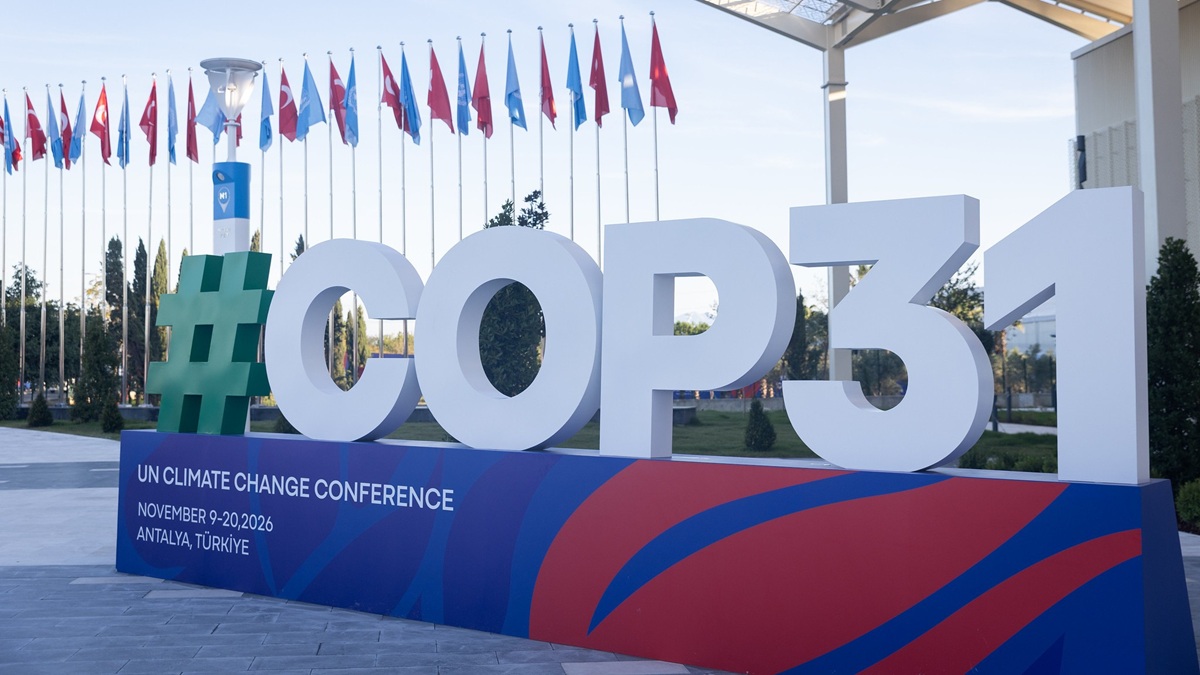
Antalya, Türkiye//-World Animal Protection has condemned the failure of COP31 to reach a political agreement, warning that the influence of the meat and dairy industry obstructed action on emissions and delayed progress towards more humane and sustainable food systems.
David Garrahy, Political and Corporate Engagement Manager at World Animal Protection, said:
“The collapse of the COP31 Antalya Pact is devastating and a backward step for animals, people and the planet. Governments failed to confront agriculture and food system emissions, which account for over a third of all greenhouse gases. This is a huge dereliction of duty. COP31 leaders caved in to the demands of the meat and dairy industry – one of the world’s largest polluters, which also causes immense animal suffering.”
A step backwards – we need urgency in tackling climate change
The COP31 Presidency had identified food and agriculture as priorities, including tackling methane emissions. Around 40% of methane comes from agriculture, making it a major contributor to climate change. Methane is one of the most potent greenhouse gas emissions. However, following significant pressure from the industrial agriculture sector and countries closely linked to it, the rejected Antalya Pact included exemptions for emissions from the sector.
There was also a failure to establish the Just Transition Mechanism, delaying progress towards equitable, humane and sustainable food systems.
David Garrahy said:
“We cannot tackle the climate crisis without transforming animal agriculture. Governments continue to pour record-breaking subsidies into industrial agriculture, which receives among the highest levels of public funding of any sector globally, second only to fossil fuels.
“This is public money propping up a system that drives emissions and environmental destruction while confining more than 90 billion animals in cruel factory farm systems. These funds should instead support a just food transition that is equitable, humane and sustainable.”
The influence of the meat and dairy industry at COP31 was impossible to ignore. A report published this week by DeSmog¹ found that the sector brought the largest contingent of delegates, with 71 representatives, many invited as part of country delegations. Their presence in the rooms where climate decisions were being made helped delay action to reduce emissions from industrial animal agriculture.
Leaders were irresponsible not to act
COP32 will take place in Ethiopia, one of the world’s most climate-vulnerable regions. Neighbouring Sudan is facing an acute risk of famine, with 19.5 million people at risk, underlining the urgent need for leaders to address global food security.
David Garrahy said: “World Animal Protection will continue to work directly with governments on a just transition to food systems that deliver for everyone. COP32 in Ethiopia must be a turning point for ending animal suffering and creating a more sustainable world for people and the planet.”
World Animal Protection will continue to stand up for animals and push for their voices to be included in UNFCCC negotiations, recognising that animal welfare is inseparable from the health of our planet.
