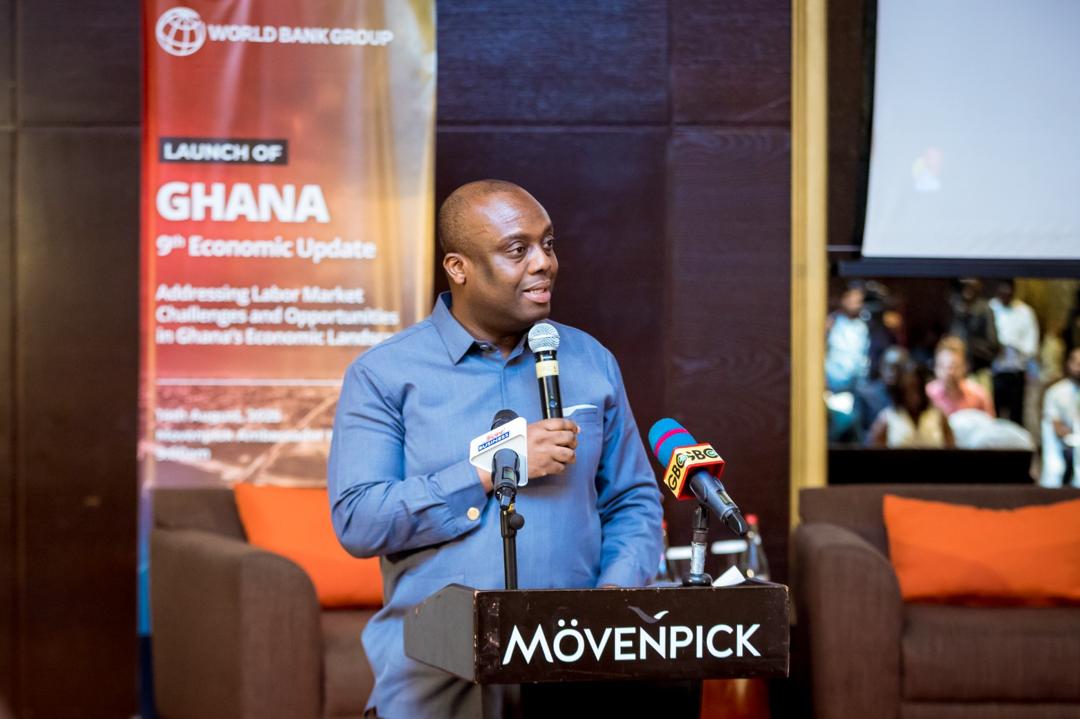
Queen Máxima of the Netherlands, the UN Secretary-General’s Special Advocate for Financial Health, attended. Earlier in the week, she urged banks to move past opening accounts at the Bank of Ghana.
“We have become good at opening accounts. We must now become better at making accounts improve lives,” he said.
The account figure is from the World Bank’s Global Findex 2025. The report says ownership in Ghana reached 81 per cent in 2024.
A Presidency statement on the Queen’s visit said that was up from 29 per cent in 2011.
The 22 per cent is not from Findex. It comes from the 2021 FinScope survey, and it is the share of Ghanaian adults classed as financially healthy that year.
The Ministry of Finance says the gap is why access alone is no longer the test. It wants services that help people meet daily needs, absorb a shock and save.
What the 2027–2031 strategy will do
A National Technical Committee, drawn from the Ministry, financial regulators and other institutions, will draft the document. The Ministry expects to launch it in the first half of 2027, after the 2027 Budget on November 12.
The strategy is to widen affordable services, back digital products, strengthen consumer protection and improve financial literacy. Women, young people, farmers, informal workers and small firms are the groups named for particular attention.
Government also plans a Financial Inclusion Council, to coordinate the institutions that have to deliver the strategy.
A separate financial health framework would track whether households can pay everyday bills, withstand a shock, and save or invest.
Ampem pointed to growth of 6.2 per cent in the first half of 2026. He said inflation had fallen from 23.8 per cent in December 2024 to 5.5 per cent in October 2026.
The October rate is the one the Ghana Statistical Service published. It rose from 5.2 per cent in September, and it remains well below the December 2024 level he cited.
“Our ambition is for an economy that creates opportunity, a financial system that enables participation, and a society in which more people can build secure and prosperous lives,” he said.
The President’s meeting with the Queen
The Presidency said Mahama and Queen Máxima discussed products for informal workers, women and smallholder farmers. The list included easier ways to resolve complaints, stronger protection against scams, and pensions for people in informal work.
He spoke of plans to establish a Women’s Development Bank to provide capital and guarantees so women can expand businesses. The bank was discussed. It was not launched.
Queen Máxima said the purpose of financial services is to improve people’s livelihoods. She added that price stability should give banks the confidence to lend into the real economy.
At the Ministry, she called for financial-health figures split by gender, age, and rural and urban residence, so that policy can be aimed at the gaps.
Finance Minister Dr Cassiel Ato Forson, who hosted her, has said a stronger economy has to mean greater financial security for households.
3news