

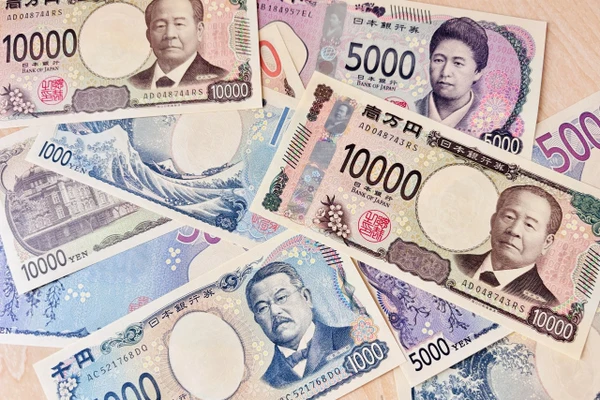

A one-hour yen spike just exposed how fragile global markets have become, warns the CEO of global financial advisory deVere Group.
The yen exploded 1.2% higher against the dollar on Wednesday, tearing to 158.22 in a matter of hours during US trading before reversing hard, and by the next morning in Tokyo it had slipped to 158.85, down 0.1%.
deVere’s chief executive Nigel Green says the speed of that swing is “a warning global investors can’t afford to ignore.”
The spike came after a Bank of Japan board member raised the prospect of an outsized or back-to-back interest-rate increase, with swaps markets now pricing in a hike at this month’s policy meeting.
“A currency moving more than 1% in under an hour on a single comment from a policymaker tells you positioning has become incredibly stretched,” says Nigel Green.
“Markets this jumpy don’t need a shock to move hard, a rumour is enough.”
The move didn’t stay contained to Tokyo. A broad measure of dollar strength slipped as much as 0.3%, emerging-market currencies climbed, and the yen jumped about 1% against the euro within minutes.
“This kind of cross-market reaction is exactly what should worry investors who think their portfolios are spread safely across regions and asset classes,” warns Nigel Green.
“A shock in one currency pair can pull emerging-market bonds, multinational equities and dollar-denominated assets in the same direction at the same time, turning what looked like diversification into one large, concentrated bet.”
He continues: “A lot of investors assume their portfolio is diversified until a shock like this hits, and suddenly their emerging-market bonds, their multinational equities and their dollar exposure are all moving together.
Few portfolios are ever tested against this kind of scenario.
Investors will stress-test a portfolio against a stock market crash but rarely model what happens if a major currency moves 2% in an afternoon.
“This week is proof that this scenario can play out in a single trading session, and it can happen with almost no warning.”
Companies with heavy Japanese revenue, global bond funds holding yen-denominated debt, and emerging-market currencies that move in sympathy with the yen can all be caught by the same afternoon of volatility, Nigel Green adds.
“Currency risk doesn’t stay in its own lane. It shows up in earnings, in bond returns, and in every corner of a global portfolio, often before investors have had time to react.”
Officials have already intervened once this year, and investors should not assume they won’t again.
Japan spent a record $96.4 billion defending the yen over the past month after it slid to its weakest level in roughly four decades, with a coordinated buying operation clawing back around 5% from that low.
In January, a single phone call from currency officials to banks was enough to send the yen surging 1.75%.
“Authorities have shown they can move a currency with a phone call, never mind an actual rate decision,” explains the CEO.
“Anyone treating currency risk as ‘background’ instead of a live risk to returns is misreading the situation.”
Behind the volatility is a bigger problem for Japan.
The country is running a wide interest-rate gap with other major economies, and investors are growing uneasy about its fiscal direction under Prime Minister Sanae Takaichi’s aggressive spending plans.
Hedge funds that slashed bearish yen bets after last month’s intervention are already rebuilding short positions, betting officials will hesitate to step in again.
He concludes: “Reassessing your currency exposure across your entire portfolio should happen before the next intervention forces the issue, not after.”
