

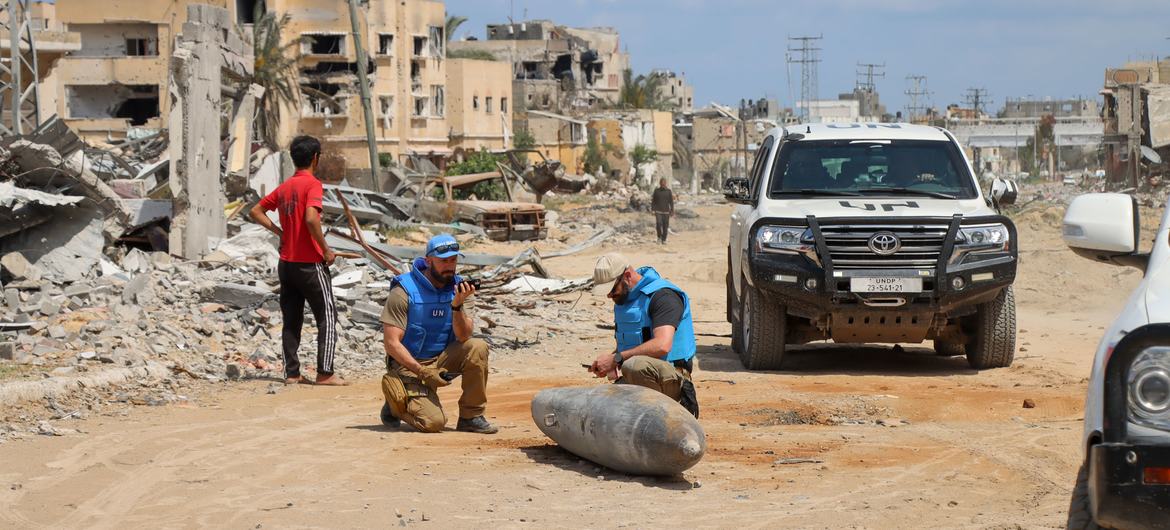
At least 350 aid workers were killed in 2025, one of the deadliest years on record, with more than half of those deaths occurring in the occupied Palestinian territory and one in five in Sudan, according to the Aid Worker Security Database, the leading global tracker of violence against humanitarian workers.
Combined, the two crises account for nearly three-quarters of all aid worker killings recorded last year. The International Rescue Committee, which operates in both crises, is warning that humanitarian staff, the vast majority of them local staff serving their own communities, are increasingly paying with their lives for the work of delivering food, medical care, and shelter to people caught in conflict and disaster.
This year’s World Humanitarian Day comes as the number of people in need of humanitarian assistance continues to climb, even as funding to reach them shrinks. Nearly all aid workers killed — 349 of 350 — were national staff, a reminder that the burden of risk falls overwhelmingly on local aid workers, not the international personnel who often get the public attention. International Humanitarian Law explicitly protects humanitarian and medical personnel, and attacks on them are prohibited.
“Health and aid workers are increasingly targeted,” said Bob Kitchen, IRC Vice President of Emergencies. “Yet, they continue to operate on the frontlines of the world’s most dangerous crises, because the people who need them have nowhere else to turn.
In Gaza, in Sudan, that choice is costing lives at a rate we’ve never recorded. Protecting them is the law. The IRC honors its own staff and members of partner organizations who lost their lives this year in service to others.”
In Sudan, where the IRC continues to operate amid the RSF siege on El Obeid and widening conflict, aid workers face escalating risk even as needs deepen. Now, the largest humanitarian crisis on the planet, shrinking aid cuts and worsening access means that those on the frontline of the response are especially vulnerable to being caught up in the violence.
Meanwhile, the occupied Palestinian territory has seen two and a half years of sustained conflict decimate civilian infrastructure beyond recognition. Aid workers are consistently in the line of conflict with little protection amid ongoing bombardment.
Humanitarian workers are protected under international humanitarian law, and attacks against them are prohibited. Yet accountability for these attacks remains rare. The IRC is calling on governments and parties to conflict to uphold their obligations to protect civilians and aid workers, and to ensure that those responsible for attacks are held to account.
