

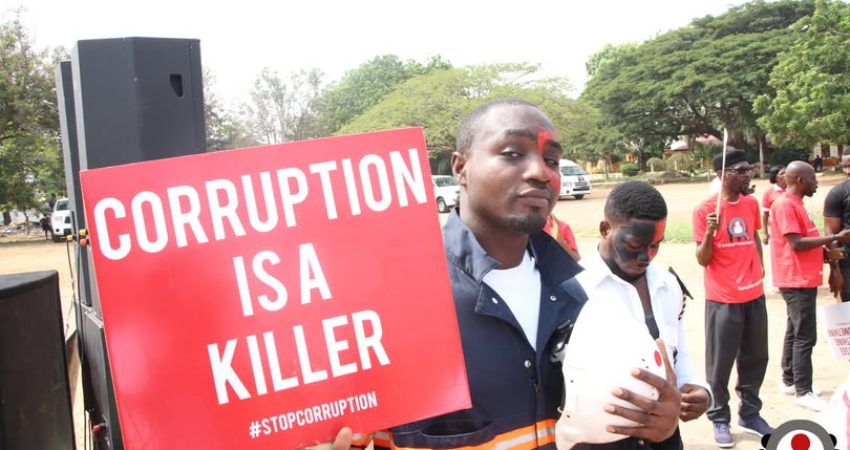
From paying ‘something small’ at a police checkpoint to being asked for unofficial fees to speed up public services, corruption in Ghana often feels less like an exception and more like a routine.
It has become part of how many people navigate public systems, whether they are applying for a license, obtaining a permit, seeking medical care, or trying to access basic public services.
The numbers reflect this public frustration. According to the Afrobarometer R10 survey, eight out of 10 Ghanaians say corruption has increased over the past year. In 2025, Ghana scored 43 out of 100 on Transparency International’s Corruption Perceptions Index (CPI), underscoring that corruption in Ghana remains a major governance concern.
But Ghana’s corruption problem is not only about weak laws, poor enforcement, or institutional failure. It is also psychological. People often justify corrupt actions by telling themselves, beyond policy and regulatory frameworks, that “everyone does it,” “this is how things are done,” “this is how the system works,” and “if I don’t do it, someone else will.” Over time, these beliefs make corruption appear normal, rational, and even necessary.
This blog argues that corruption in Ghana persists because it has become psychologically rational, socially tolerated, and institutionally low-risk. To understand why it continues, we must look not only at the systems that enable it but also at the mindsets that sustain it.
Why Corruption Persists
Corruption does not occur in a vacuum. It is shaped by incentives, expectations, and social norms that influence how individuals behave. In Ghana, several psychological dynamics help explain why corruption persists despite widespread public disapproval.
Three important perspectives help explain why corruption remains so difficult to combat in Ghana: self-interest without oversight (principal-agent theory), prioritization of self-interest (rational choice theory), and the “everyone does it, so why not” ideology (collective action theory).
The principal-agent theory highlights weak oversight and accountability that allow public officials (agents) to pursue personal gain at the expense of citizens (principals). First, corruption thrives where power is exercised without adequate oversight.
It suggests that corruption becomes a viable path to wealth and power. After an election, citizens trust that the government will prioritize their interests; however, it is their position of power and lack of accountability that encourages them to think, “Why not take advantage?”
The principal-agent problem is clear in Ghana’s natural resource sector, particularly in the rampant rise of illegal mining (galamsey) activities. Between 2017 and 2025, reports indicate that over2,000 mining licenses were issued to small-scale miners. The rise of these has caused immense environmental degradation across the country.
The over-issuance of several licenses within a short time frame illustrates the regulatory weakness in the system. Those elected and appointed to strengthen the system and protect the public interest have failed to do so. Numerous reports of political interference and corruption within licensing agencies show that public officials are exploiting weak oversight systems and information asymmetries for personal and political gain.
The Rational Choice theory emphasises cost-benefit calculations, thereby making corruption seem justifiable and unavoidable. Under this framework, individual politicians choose to engage in corruption when the benefits outweigh the potential costs. To protect their own interests, politicians view honesty as weak and self-defeating. The scandals may differ across administrations, but the underlying incentives often remain the same.
In post-regime accountability, rational choice theory explains why corruption persists despite a new political party in power or a regime change. During the NPP-led administration in 2019, it was discovered that the CEO of the Public Procurement Authority was using his position to influence contract awards unfairly. Some of these contracts were awarded to companies in which he had a personal interest and from which he stood to gain.
Similarly, investigations into the Ghana Youth Employment and Entrepreneurial Development Agency (GYEEDA) scandal revealed how public resources for youth employment could be diverted through weak oversight and political patronage.
Some politicians and public officials may hold the misguided belief that the benefits of bribery, patronage, and abuse of office outweigh the risks of detection or sanctions. Weak accountability institutions, therefore, create incentives for rational but corrupt decision-making.
The Collective Action Theory suggests that individuals engage in corrupt behaviour because they believe others are doing the same. Within this theory, corruption is treated as a social norm that diminishes the perceived value of honest behaviour and makes it seem futile. Individuals are less likely to deviate from this social norm.
They will always ask themselves, “Why choose integrity when no one else is?” When corruption becomes a social norm rather than an exception, honest behaviour begins to seem irrational.
A public officer will demand a bribe before processing either a citizen’s license or a business registration and will justify it by saying, “This is the way the country operates.” This behaviour occurs across all levels of society: from individual citizens to the highest-level officials.
A survey conducted by the UN Office on Drugs and Crime revealed that more than 17.4 million bribes were paid to public officials by Ghanaians in 2021, a figure that is unsurprising given the numerous stories and reports of citizens paying officers and public officials for one service or another.
Motorists and drivers on the road have to pay “something small” to officers at various police checkpoints and barriers. Citizens seeking services such as passport services, obtaining driver’s licenses at the DVLA, obtaining a business operating license or permit, or even securing medical care are almost forced to pay “unofficial fees.”
Recommendation
Combating corruption in Ghana is a significant challenge that will require both social and psychological reforms to make progress and facilitate development. Ghana needs to realign its anti-corruption framework and implement these reforms to make progress and facilitate development.
Ministries, Departments, and Agencies (MDAs) should be directed to publish all fees and service processes on their websites and in their physical buildings. This will reduce information asymmetry and help citizens understand what is required of them and public officers.
The government should digitise public services, including the acquisition of licenses, permits, and registrations, through e-governance platforms to reduce human intervention. This effort should be supported by annual progress reports and user analytics to track reductions in human interactions and reported bribery incidents.
The Office of the Attorney General should introduce a political campaign finance law to Parliament for passage. This would regulate the flow of money in politics. The Fair Wages and Salaries Commission should also review public sector remuneration structures, linking them to performance, integrity, and quality service delivery. If public servants at all levels were paid fair salaries, they would be less likely to accept bribes.
Conclusion
Corruption persists in Ghana, in part because many people believe “everyone else is doing it.” That belief normalizes wrongdoing and weakens the motivation to act differently. Breaking this cycle will require stronger institutions, better enforcement, and more transparent public systems. But it will also require a change in mindset. Ghana must make corruption feel risky, costly, and shameful, while making integrity feel normal, respected, and worthwhile.
Civic education campaigns should not focus only on condemning corruption but also on promoting integrity as a social norm. Highlighting public officials and citizens who resist corruption can help challenge the perception that “everyone is doing it.”
Finally, the real test is not whether Ghana can write more anti-corruption laws. It is whether the country can make integrity feel normal again. Integrity must be promoted not as a weakness, but as a public virtue. Ghana’s anti-corruption challenge is ultimately not only about changing laws and institutions. It is also about changing expectations and making honest behaviour the norm rather than the exception.
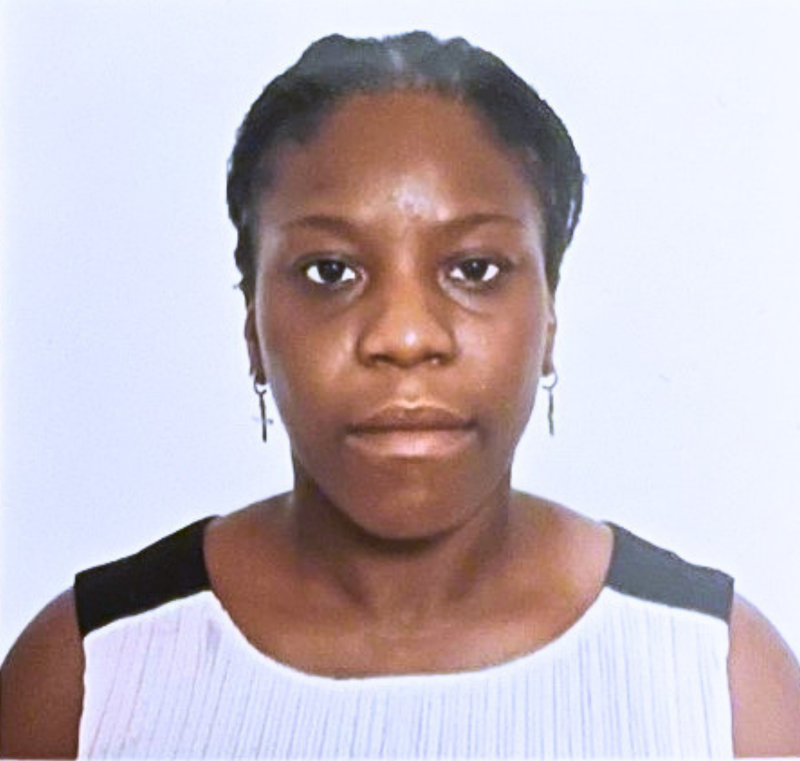
Elikem Gadzekpo is a Legal and Policy Officer at CDD-Ghana. She specializes in the rule of law, anti-corruption, and human rights. She is very passionate about social inclusion and policy analysis. She has worked with some local and international organizations that sought to create a more inclusive political space and promote good governance.

Ana Joleigh Gray is a junior at Stanford University majoring in Psychology. Originally from Taylorsville, North Carolina, she is passionate about storytelling and committed to uplifting oppressed voices. Guided by the belief that love and compassion can change the world, Ana hopes to use her work to inspire understanding, healing, and meaningful social change.
Why most people do it: The Psychology of Corruption in Ghana
