

Introduction

For many years, development financing in the Global South has largely depended on international aid agencies, multilateral institutions, and government-led programmes.
While these sources have provided much-needed support, they have not been without challenges. Often, they come with strict conditions and limited involvement of the very communities they are meant to serve.
Today, however, the nature of global challenges from climate change and public health crises to rising inequality and migration demands new ways of thinking. Traditional funding models alone are no longer enough to ensure sustainable and inclusive development. In response, philanthropy, particularly through community foundations, is gaining attention as a powerful and complementary approach.
Unlike conventional aid, philanthropic funding is typically more flexible, less bureaucratic, and more open to supporting innovative ideas. Community foundations, in particular, stand out because they are rooted in local contexts. They empower communities to take part in decision-making, ensure that interventions reflect local realities, and promote accountability and trust.
This emerging vision does not seek to replace traditional aid but rather to strengthen it. By mobilising local resources, engaging diaspora communities, and fostering partnerships between global and local actors, philanthropy and community foundations are helping to reshape development financing. More importantly, they are placing communities at the centre of their own development journeys.
The Changing Landscape of Local Development Financing
The way development is financed in the Global South is gradually changing. For decades, countries relied heavily on foreign aid, concessional loans, and government spending. Today, that model is evolving.
One key shift is the decline in traditional aid flows. Donor countries are facing their own economic pressures and competing global priorities, which have reduced the amount of aid available. This has created a financing gap—one that requires fresh and innovative solutions.
At the same time, private philanthropy is on the rise. Wealthy individuals, corporations, and philanthropic organisations are increasingly stepping in to support development efforts. What makes philanthropic capital unique is its flexibility.
It is not as tightly bound by political interests and is often willing to support high-risk but high-impact initiatives. This has opened doors for investment in areas such as climate resilience, education innovation, and healthcare improvement.
Community foundations are also becoming more visible in this evolving landscape. Acting as trusted local intermediaries, they channel resources directly to grassroots organisations. Because they are embedded within communities, they are better able to align funding with local needs and priorities. Their participatory approach to grant-making also strengthens transparency and accountability.
Another important trend is the emergence of blended and innovative financing models. These include combining philanthropic funding with private investment to reduce risks and attract more capital, promoting impact investing that delivers both financial returns and social benefits, and leveraging diaspora contributions.
Additionally, digital platforms are making it easier for people to give, connect with community projects, and track how funds are used. Overall, these changes point toward a more inclusive and sustainable approach to development financing. One that moves away from dependency and toward local empowerment.
Philanthropy, Community Foundations, and Local Development Financing
Philanthropy in the Global South is not a new concept. It is deeply rooted in long-standing cultural, religious, and communal traditions of giving. Practices such as zakat in Islam, tithing in Christianity, and other forms of communal support have long encouraged people to give back to society.
Historically, communities have relied on informal systems such as mutual aid groups and social networks to support one another. What is changing today is the increasing organisation and strategic direction of these efforts.
Modern philanthropy is becoming more structured and impact-driven. Wealthy individuals, corporations, and family foundations are moving beyond charity to focus on long-term, systemic change.
The COVID-19 pandemic further highlighted the importance of strong, community-based systems, prompting increased investment in health, digital inclusion, and social protection.
Philanthropy plays several important roles. It can fund innovative projects that traditional donors may consider too risky. It strengthens local institutions and civil society. It also helps to fill critical gaps where public funding is insufficient.
Community foundations, in particular, are emerging as key players in this space. Because they operate at the grassroots level, they ensure that resources are managed by the communities themselves. They help identify local priorities, involve community members in decision-making, and invest in building local capacity.
These foundations also act as bridges, connecting donors with beneficiaries in a way that builds trust and ensures accountability. Their deep understanding of local cultures and contexts allows them to design more relevant and effective interventions. In many cases, they also serve as channels for diaspora contributions, linking people abroad with development efforts back home.
By bringing together local knowledge and global resources, community foundations help drive innovation, strengthen resilience, and promote sustainable development.
Case Studies: Philanthropy and Community Foundations in Action
Several practical examples show how philanthropy and community foundations are making a difference:
In Ghana, organisations like PURETRUST Foundation work closely with communities to identify key needs in areas such as education, health, and livelihoods. They mobilise resources from local donors, diaspora networks, and international partners.
The Tamale Development Trust is another example in Ghana. A women-led organisation focused on improving the lives of women and children. Similarly, the Saboba District Community Foundation promotes local philanthropy and leadership through inclusive community participation.
The North Gonja Community Foundation brings together residents to collectively address development challenges, demonstrating the power of community ownership.
Beyond Ghana, the Kenya Community Development Foundation has successfully combined local resource mobilisation with international partnerships to support education and youth empowerment, while also building long-term financial sustainability through endowment funds.
In Brazil, Instituto Comunitário Grande Florianópolis promotes civic engagement and social innovation, while India’s Dasra Philanthropy Network connects donors with impactful social enterprises, particularly in areas such as women’s empowerment and health.
Challenges Ahead
Despite these promising developments, there are still challenges to overcome. Power imbalances remain a concern, as donors from the Global North often influence decision-making. Ensuring sustainability is also critical, as many organisations struggle with long-term funding. In addition, weak policy frameworks and limited tax incentives can restrict the growth of philanthropy.
There are also concerns around accountability and the need for strong monitoring systems to build trust. Furthermore, development efforts sometimes remain concentrated in urban areas, leaving rural and marginalised communities behind.
Future Outlook
Looking ahead, the future of development financing in the Global South appears promising, but it will depend on how emerging trends are managed.
Technology is expected to play a major role in expanding access to giving and improving transparency. Climate change will likely become a central focus for philanthropic efforts. Resource mobilisation will continue to grow through diaspora engagement, corporate social responsibility, and endowment building.
At the same time, governments will need to create supportive policy environments that encourage philanthropic activities. Most importantly, the focus on inclusive development, ensuring that all communities have a voice, must remain central.
Conclusion
Philanthropy and community foundations offer a fresh and transformative approach to development financing in the Global South. By combining local ownership with global collaboration and innovative funding models, they provide a pathway toward more inclusive and sustainable development. Ultimately, the future of development financing lies not in dependency on external aid, but in empowering communities to take charge of their own progress.
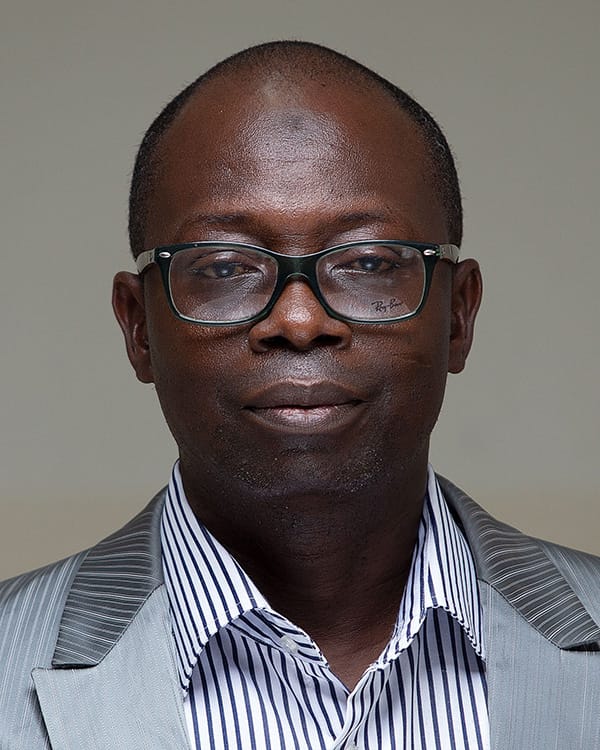
By Prof. Rufai Haruna Kilu, University of Professional Studies, Accra
Philanthropy and Community Foundations Expert. A Board Member to PURETRUST Foundation LBG & Board Secretary to North Gonja Community Foundation
Email: haruna.rufai@upsamail.edu.gh / hkrufai@gmail.com
