


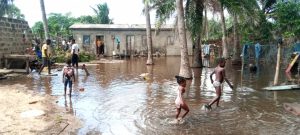
Ho, Volta Region, Ghana//-The Volta Region of Ghana is home to a diverse landscape and various agricultural activities, making it a vital area for food production and economic stability.
However, the adverse effects of climate change pose significant challenges to farming communities in the region, especially as the rainy season approaches.
This article explores how climate change impacts agriculture in the region, highlighting key concerns among farmers and identifying specific communities that require urgent attention.
Impacts of Climate Change on Agriculture in the Volta Region
Unpredictable Rainfall Patterns
For farmers in the Volta Region, reliance on seasonal rainfall is paramount. However, climate change has brought about erratic weather patterns, making it difficult to predict the onset and duration of the rainy season.
This unpredictability disrupts planting schedules, leading to either crop failure or reduced yields if farmers plant too early or late. Farmers also express concerns about the long-term viability of their land if soil conservation techniques are not implemented.
Increased Pest and Disease Incidence
Warmer temperatures and higher humidity levels create a conducive environment for pests and diseases that affect crops such as maize, cassava, and cocoa.
Farmers report an increase in infestations of pests like locusts and various fungal diseases which can devastate entire harvests within a short period if not managed effectively. This adds an economic burden as they seek pest control solutions.
Soil Degradation and Erosion
Heavy rains also lead to soil erosion, which diminishes soil fertility and quality over time. As nutrients and topsoil crucial for plant growth are washed away, farmers face declining productivity which directly affects their yield and income, necessitating additional investment in fertilizers and soil management practices, which may not be financially feasible for all.
Water Scarcity
Despite the potential for heavy rainfall during certain periods, some areas in the region still experience water scarcity due to changing climatic conditions, poor infrastructure and mismanagement of water resources.
Farmers often rely on rain-fed agriculture, and when rainfall is insufficient, it hampers crop development, leading to reduced harvests and economic strain. This affects their ability to sustain crop growth throughout the season.
Food Security Concerns
Farmers are increasingly worried about their ability to produce enough food, not just for their families but also for the community and market.
As agricultural production dips, the implications for food security become dire. Local markets face fluctuations in food prices, creating challenges for both producers and consumers. Rural households, dependent on agriculture for their livelihood, are at risk of poverty and malnutrition.
Key Concerns of Farmers
Financial Instability and Economic Stability
With inconsistent crop yields due to climate-related challenges, many farmers struggle to maintain their livelihoods and secure loans for future planting seasons.
Access to credit and insurance schemes is crucial for farmers looking to invest in their farms amidst uncertainty. They seek policies that would provide financial safety nets to cushion against crop failures.
As agriculture is the primary source of livelihood for many in the Volta Region, any disruption threatens the economic stability of farming families. Reduced incomes can lead to further impoverishment and increased vulnerability.
Access to Resources
Many farmers struggle to access improved seeds, modern agricultural technologies and practices that could help mitigate the effects of climate change. Limited resources and education prevent them from adopting sustainable farming methods effectively. There is a call for government and NGOs to invest in resource allocation and support programs tailored to local needs.
Support from Authorities
Farmers express the need for more proactive support from the government and agricultural organizations. They seek guidance on sustainable practices, better irrigation systems, and financial assistance to recover from crop losses.
Training and Education
Many farmers and Agriculture experts express the need for more training in sustainable agricultural practices, including soil conservation, pest management, and diversified cropping systems. Education on climate-resilient strategies can empower them to adapt to changing climate.
Access to Technology
There is a growing need for access to climate-resilient agricultural technologies, such as improved seed varieties and irrigation systems, which many smallholder farmers cannot afford. Smallholder farmers, who often operate on limited budgets, struggle to invest in advanced agricultural technologies essential for adapting to climate change. Seeds that are genetically modified or selectively bred to withstand extreme weather conditions such as drought, floods, and pests can significantly enhance crop resilience and yield.
However, these seeds often come at a premium price, making it difficult for smallholders to afford.
Efficient irrigation systems, such as drip or sprinkler irrigation, help manage water resources effectively, especially during droughts.
However, the initial investment cost can be prohibitive for small farmers, particularly if they lack access to credit or financial support.
Without these technologies, farmers may continue to face reduced yields and increased crop failures, exacerbating their vulnerabilities and potentially leading to food insecurity.
Transportation and Market Access
As climate impacts threaten yields, farmers are becoming increasingly concerned about their ability to access markets to sell their products.
The quality of crops is vital for meeting market standards. Fluctuating yields due to unpredictable weather patterns can make it difficult for farmers to supply consistent quantities of produce.
Even when farmers produce high-quality goods, inadequate infrastructure hinders their ability to transport products to market.
Poor roads, lack of transportation facilities, and logistical issues limit farmers in the region, affecting their profit margins.
The intersection of limited access to technology and challenges in market access creates a cycle of vulnerability for the farmers.
Farmers in the region require targeted interventions, such as financial support, education on sustainable practices, and improved infrastructure, to help them adapt to climate change effectively and secure their livelihoods.
Farming Communities Needing Urgent Assistance
Ho District
Farmers in this area primarily grow yams and other root crops but have been struggling with soil erosion and pest management. Initiatives to promote regenerative agriculture practices could greatly benefit this community.
Kpando District
With a focus on maize and cassava, the farmers of Kpando are expressing concerns over soil degradation, drought and flooding issues.
Support for irrigation projects and training in sustainable farming practices and infrastructure development for water retention are essential to protect this vital agricultural area.
Hohoe Municipality
This Municipality is known for its cocoa production, farmers here are facing increasing pests and inconsistent rainfall that threaten yields. This area is also prone to flooding, which disrupts farming activities. Support in pest management, flood practices and access to reliable irrigation systems is critical.
Nkwanta South
Farmers in this area face challenges with pest infestations and inconsistent rainfall, necessitating access to reliable irrigation sources. Investing in community irrigation projects would help the impacts of erratic rainfall. Additionally, support for pest control measures and the introduction of resilient crop varieties would greatly benefit locals.
Afadjato South
Is a mountainous area where farmers practice mixed cropping but encounter challenges related to soil stability. Introducing agroforestry initiatives could improve soil conservation and provide additional income sources. This community relies heavily on subsistence farming is significantly impacted by soil erosion. Therefore, implementing soil conservation programs would be crucial for preserving their farmland.
Akatsi South and Ketu North District:
Farmers in this region heavily depend on rainfall for rice production. They require irrigation systems to manage water scarcity and reduce their reliance on unpredictable weather conditions.
Ketu South District and Keta Municipality
They are recognized for their rice and cassava production. However, these communities, particularly Keta, are highly vulnerable to severe flooding during heavy rains. It is essential to invest in building flood defences and drainage systems to effectively protect agricultural land.
The impacts of climate change on agriculture in the Volta Region of Ghana pose significant challenges for local farmers. Addressing their concerns requires collaborative efforts between the government, policymakers, NGOs, agricultural stakeholders and the communities themselves. Investments in sustainable agricultural practices, infrastructure, and education will be essential in helping these farmers adapt to the changing climate, ensuring food security and economic stability in the region. By focusing on the needs of vulnerable communities, stakeholders can create a more resilient agricultural system capable of withstanding the pressures of climate change.
By Godwin Dzigbanu, African Eye Report
